US Treasury Targets Procurement Network Supplying Iranian UAV Components
New sanctions target five entities and individuals involved in the procurement of critical components for Iran's attack drone program, signaling continued pressure on Tehran's defense industry.
Your ad here — 728×90 banner space
The U.S. Department of the Treasury’s Office of Foreign Assets Control (OFAC) has announced a fresh round of sanctions targeting a sophisticated procurement network that has facilitated the acquisition of components for Iran’s unmanned aerial vehicle (UAV) programs. The move, announced late Wednesday, targets entities based in Iran, China, and the United Arab Emirates that have acted as intermediaries for the IRGC Aerospace Force. These components, including servomotors and micro-electronics, are essential for the production of the Shahed-series drones frequently utilized in regional proxy conflicts and exported to foreign theaters. Under Secretary of the Treasury for Terrorism and Financial Intelligence, Brian Nelson, stated that the action is part of a broader strategy to degrade Iran’s ability to project power through low-cost, high-impact technologies. The designated entities include a Hong Kong-based front company accused of masking the final destination of dual-use technologies. By freezing the U.S. assets of these individuals and prohibiting U.S. persons from engaging in transactions with them, Washington is attempting to increase the operational costs of Tehran’s asymmetric warfare capabilities. This escalation in financial warfare comes at a sensitive time. Iranian officials have previously warned that increased sanctions pressure could lead to reciprocal measures in the Strait of Hormuz, specifically targeting ships owned by or associated with sanctioning nations. The 'Sentinel' has monitored a slight uptick in cyber reconnaissance activities targeting Western maritime logistics firms following the OFAC announcement, a tactic often used by Iranian-aligned groups to signal discontent. Strategic analysts suggest that while these sanctions are unlikely to halt UAV production entirely, they force Tehran to rely on more expensive and less reliable illicit supply chains. This pressure campaign remains the primary non-kinetic tool for the United States as it navigates the current diplomatic impasse. For maritime operators, the risk remains that Iran may utilize its naval forces to 'police' the Strait for vessels suspected of carrying goods for these newly sanctioned entities, using administrative inspections as a form of low-level retaliation.
Related Intel

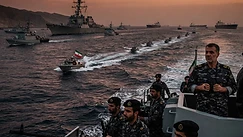
Tehran Outlines Formal Exclusion Zone Around Hormuz to Counter US Blockade
Iranian security officials have announced imminent plans to implement an operational maritime exclusion zone stretching from the U.S. naval blockade perimeter directly across the Strait of Hormuz.

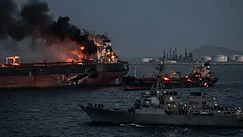
US Neutralizes IRGC Tankers off Kharg Island as Diplomatic Narrative Fractures
U.S. Central Command disabled three Iranian crude carriers over the weekend following IRGC missile launches against American warships, escalating the maritime conflict into its seventh month.

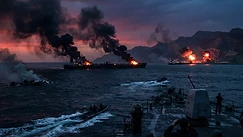
CENTCOM Destroys Iranian Tankers and Coastal Launch Sites as Tehran Claims Drone Intercepts
U.S. Central Command struck three Iranian oil tankers and pre-positioned coastal minelaying missile platforms, while Tehran claimed to strike an unmanned American naval vessel in contested Hormuz waters.