CENTCOM Destroys Iranian Tankers and Coastal Launch Sites as Tehran Claims Drone Intercepts
U.S. Central Command struck three Iranian oil tankers and pre-positioned coastal minelaying missile platforms, while Tehran claimed to strike an unmanned American naval vessel in contested Hormuz waters.

Your ad here — 728×90 banner space
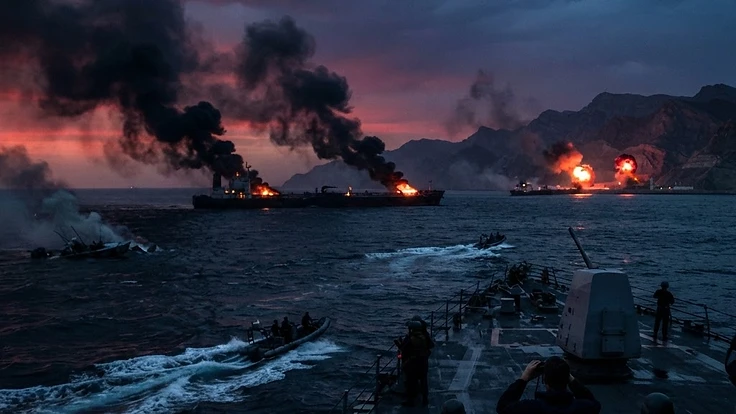
U.S. Central Command has intensified kinetic engagements across the Strait of Hormuz, executing targeted strikes against three Iranian-flagged oil tankers and several mobile missile launch platforms along the Iranian coastline. According to Jerusalem Post reporting on CENTCOM operations, the military action was carried out after regional rocket barrages and operational indications that Islamic Revolutionary Guard Corps (IRGC) units were positioning coastal launchers to deploy anti-ship sea mines into commercial sea lines of communication.
Simultaneously, the confrontation spilled into maritime information warfare. Iranian state media claimed IRGC naval elements struck an unmanned U.S. vessel attempting to enter the northern corridor of the chokepoint, as noted by ABC News coverage of the escalating Strait confrontations. Pentagon officials dismissed Tehran's claims as complete fabrication, maintaining that freedom of navigation operations and defensive escorts remain active despite persistent asymmetric harassment.
Retaliatory actions extended beyond the waterway itself. The Jordanian armed forces reported intercepting eight ballistic missiles launched by Iranian-aligned elements claiming to target American regional installations, according to reporting compiled by Sada News Agency. In Tehran, IRGC naval commanders claimed they targeted three merchant tankers and three U.S.-linked vessels operating in the waterway, framing their actions as direct payback for Washington's sustained strikes on Iranian maritime infrastructure.
The exchange reflects an increasingly volatile operational environment. Despite American efforts to neutralize shore batteries and escort commercial convoys, the IRGC has doubled down on anti-access and area-denial (A2/AD) maneuvers. Iranian defense officials continue to assert total authority over the northern territorial waters, forcing commercial operators to navigate narrow corridors while absorbing elevated risks of coastal fire, drone saturation strikes, and drifting munitions.