Maritime Posture: US Pentagon Orders Significant Reinforcements to Central Command Area
Defense Secretary Lloyd Austin has ordered the deployment of additional carrier assets and fighter squadrons to bolster regional deterrence.
Your ad here — 728×90 banner space
The United States Department of Defense has announced a major strategic realignment of its military assets in the Middle East to counter growing threats from Iran and its regional proxies. Defense Secretary Lloyd Austin has directed the USS Abraham Lincoln Carrier Strike Group to transit to the U.S. Central Command (CENTCOM) area of responsibility, where it will eventually relieve the USS Theodore Roosevelt. This move ensures a continuous and formidable carrier presence in the region during a period of extreme volatility. In addition to the carrier strike group, the Pentagon is deploying an undisclosed number of ballistic missile defense-capable cruisers and destroyers. These naval assets are specifically tasked with enhancing the integrated air and missile defense architecture that was successfully utilized during the April 13 interception of Iranian projectiles. Furthermore, the U.S. Air Force is sending an additional squadron of F-22 Raptor stealth fighters to the region to provide land-based air superiority and defense against potential UAV swarms. Pentagon Press Secretary Major General Pat Ryder emphasized that these deployments are defensive in nature but serve as a clear warning to Tehran against targeting U.S. personnel or escalating the conflict with Israel. The deployment comes amid reports of increased IRGC naval activity in the Persian Gulf and the Gulf of Oman, where fast-attack craft have been observed conducting maneuvers near commercial shipping lanes. The U.S. Fifth Fleet, based in Bahrain, has issued an advisory to commercial vessels to maintain heightened vigilance and strictly follow recommended transit corridors. Military analysts suggest that the U.S. is preparing for a multi-front scenario where it must defend Israel while simultaneously protecting critical maritime infrastructure and U.S. bases in Iraq and Syria from rocket fire. This buildup represents the most significant surge in U.S. power projection in the region since the initial weeks following the October 7 attacks, signaling that Washington views the current threat level as critical.
Related Intel
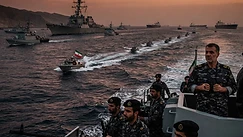
Tehran Outlines Formal Exclusion Zone Around Hormuz to Counter US Blockade
Iranian security officials have announced imminent plans to implement an operational maritime exclusion zone stretching from the U.S. naval blockade perimeter directly across the Strait of Hormuz.
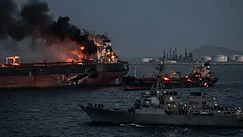
US Neutralizes IRGC Tankers off Kharg Island as Diplomatic Narrative Fractures
U.S. Central Command disabled three Iranian crude carriers over the weekend following IRGC missile launches against American warships, escalating the maritime conflict into its seventh month.
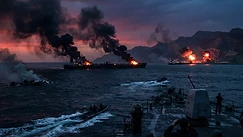
CENTCOM Destroys Iranian Tankers and Coastal Launch Sites as Tehran Claims Drone Intercepts
U.S. Central Command struck three Iranian oil tankers and pre-positioned coastal minelaying missile platforms, while Tehran claimed to strike an unmanned American naval vessel in contested Hormuz waters.