Defense Posture: US Naval Assets Transition to Gulf of Oman Amid Rising Proxy Threat Levels
The U.S. Department of Defense is repositioning naval strike groups and reinforcing regional air defenses in anticipation of coordinated Iranian-backed militia responses.
Your ad here — 728×90 banner space
In response to the escalating threats following the deaths of Fuad Shukr and Ismail Haniyeh, the U.S. Department of Defense has adjusted the posture of several key naval assets in the Middle East. The USS Theodore Roosevelt (CVN 71) carrier strike group is currently operating in the Gulf of Oman, positioned to provide a rapid response capability for both the Persian Gulf and the Arabian Sea. Pentagon officials have emphasized that while the U.S. seeks to de-escalate, it remains committed to the defense of Israel and the protection of global shipping lanes. US Defense Secretary Lloyd Austin, during a visit to the Philippines, stated, 'If Israel is attacked, we certainly will help defend Israel.' This commitment is being translated into increased surveillance and reconnaissance flights across the Red Sea and the Gulf of Aden, where Houthi militants have already signaled their intent to 'expand operations' in solidarity with Iran.
Maritime security firm Ambrey has issued a fresh advisory to commercial vessels transiting the Strait of Hormuz and the Bab el-Mandeb, warning of an elevated risk of Unmanned Aerial Vehicle (UAV) and Waterborne Improvised Explosive Device (WBIED) attacks. The advisory notes that Iranian proxies often utilize significant geopolitical events as justification for 'retaliatory' strikes on shipping linked to Western interests. Furthermore, the U.S. Central Command (CENTCOM) confirmed that it has maintained a high state of readiness for its Patriot and THAAD missile defense batteries across the region, particularly in Jordan and Iraq, where U.S. bases have previously come under fire from Iran-aligned groups.
Logistically, the regional landscape is shifting toward a wartime footing. Several international airlines, including Lufthansa, Swiss, and Delta, have suspended flights to Beirut and Tel Aviv, citing security concerns. The U.S. Embassy in Beirut has reiterated its Level 4: Do Not Travel advisory, urging American citizens to leave the country while commercial options remain available. This defensive pivot by the U.S. and its allies is designed to deter a 'saturation attack'—a scenario where multiple proxies launch simultaneous strikes from different directions to overwhelm missile defense systems. The Hormuz Sentinel intelligence desk is tracking the movement of IRGC-linked cargo vessels in the Red Sea, which often serve as forward-deployed intelligence platforms for Houthi operations.
Related Intel
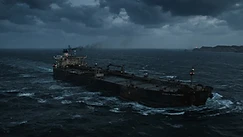
Strait Commodity Transits Plunge to Fresh Baselines Following Tit-for-Tat Tanker Strikes
Commercial traffic through the Strait of Hormuz has plummeted to an average of just 10 commodity vessels per day following mutual military attacks on commercial and state-linked tankers.
Strait Corridor Suppression Drags Commercial Transits Far Below Pre-War Baselines
Vessel transit figures through Hormuz remain deeply depressed, with tracking services recording single-digit crossings despite official claims of operational normalization.
Tehran Rejects Qatari Transit Initiatives as Regional Allied Navies Resist Unilateral Escort Commitments
Diplomatic sources confirm Iran has rebuffed Qatari mediation to ease Strait shipping controls, while key Asian allies push back on demands for independent naval deployments.