Tehran Rejects Qatari Transit Initiatives as Regional Allied Navies Resist Unilateral Escort Commitments
Diplomatic sources confirm Iran has rebuffed Qatari mediation to ease Strait shipping controls, while key Asian allies push back on demands for independent naval deployments.
Your ad here — 728×90 banner space
Hopes for an imminent negotiated solution to the maritime standoff were blunted following reports that Tehran has formally rejected a multilateral de-escalation package sponsored by Qatari intermediaries. According to sources within the Iranian negotiating delegation cited by Caliber.Az via Fars News Agency, Iranian officials dismissed claims of a pending agreement on restoring unrestricted traffic, reaffirming that the passage will remain closed to hostile commerce as long as U.S. strikes and secondary sanctions continue.
In Washington, U.S. executive leadership has pushed international partners to assume direct responsibility for safeguarding their energy lifelines. Vice President JD Vance argued that European and Asian consumers depend disproportionately on Gulf crude flows, calling on coalition partners to provide maritime assets to escort commercial convoys, as detailed by The Jerusalem Post.
However, allied capitals are displaying severe caution. In Seoul, South Korean defense officials have publicly pushed back against pressure to commit surface combatants and specialized mine clearance units to the Gulf without explicit multilateral legal mandates, as tracked by The Guardian. South Korean parliamentary leaders expressed concern that deploying naval forces into contested corridors would draw non-belligerent nations directly into kinetic retaliatory cycles with Iranian coastal units.
With diplomatic tracks via Doha and Ankara stalled, shipping conglomerates are fortifying contingency protocols. Fleet operators are accelerating alternative overland pipeline connections, including Saudi East-West links to Yanbu and the Habshan-Fujairah line, while energy ministries across import-dependent Asian economies activate national petroleum strategic reserves to buffer against protracted chokepoint closures.
Related Intel
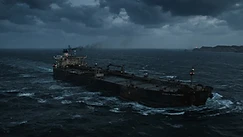
Strait Commodity Transits Plunge to Fresh Baselines Following Tit-for-Tat Tanker Strikes
Commercial traffic through the Strait of Hormuz has plummeted to an average of just 10 commodity vessels per day following mutual military attacks on commercial and state-linked tankers.
Strait Corridor Suppression Drags Commercial Transits Far Below Pre-War Baselines
Vessel transit figures through Hormuz remain deeply depressed, with tracking services recording single-digit crossings despite official claims of operational normalization.
Seoul Weighed Deployment Options for Naval and Mine Clearance Units to Gulf Waters
South Korean defense authorities are reviewing formal options to dispatch maritime surveillance aircraft and mine countermeasures units to the Persian Gulf. Consultations with Washington and European partners reflect increasing pressure on import-reliant Asian states to safeguard Gulf shipping routes.