Seoul Weighed Deployment Options for Naval and Mine Clearance Units to Gulf Waters
South Korean defense authorities are reviewing formal options to dispatch maritime surveillance aircraft and mine countermeasures units to the Persian Gulf. Consultations with Washington and European partners reflect increasing pressure on import-reliant Asian states to safeguard Gulf shipping routes.
Your ad here — 728×90 banner space
Government and military planners in Seoul are evaluating logistical configurations to deploy defense assets to international maritime coalitions operating across the Gulf of Oman and the Strait of Hormuz. Consultations between South Korean defense officials and counterparts from the United States, Britain, and France have centered on specialized capabilities, specifically maritime patrol aircraft (such as P-3C Orion platforms), logistics support vessels, or dedicated mine detection and clearance teams designed to support convoys clearing chokepoint hazards.
South Korea depends on Gulf supplies for more than 70 percent of its crude oil imports and roughly a quarter of its liquefied natural gas requirements, exposing its domestic economy directly to regional freight disruptions. Political sensitivity surrounding overseas naval commitments remains elevated in Seoul; while media reports pointed toward drafting procedures for a parliamentary consent motion this month, spokespersons for the presidential office stated that practical contributions to freedom of navigation remain under review and formal operational commitments have not concluded.
The strategic deliberations come against a backdrop of allied friction. Former US President Donald Trump publicly linked reductions in bilateral joint military exercises to Asian allies declining direct participation in Gulf coalition tasks. As mine threats persist along littoral shipping channels—evidenced by CENTCOM's extensive clearance operations targeting bottom-moored and drifting ordnance—Western coalition partners continue pressing key Northeast Asian consumers, including Japan and South Korea, to provide tangible mine countermeasures and escort support to secure the maritime corridor.
Related Intel
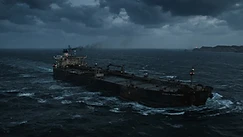
Strait Commodity Transits Plunge to Fresh Baselines Following Tit-for-Tat Tanker Strikes
Commercial traffic through the Strait of Hormuz has plummeted to an average of just 10 commodity vessels per day following mutual military attacks on commercial and state-linked tankers.
Strait Corridor Suppression Drags Commercial Transits Far Below Pre-War Baselines
Vessel transit figures through Hormuz remain deeply depressed, with tracking services recording single-digit crossings despite official claims of operational normalization.
Tehran Rejects Qatari Transit Initiatives as Regional Allied Navies Resist Unilateral Escort Commitments
Diplomatic sources confirm Iran has rebuffed Qatari mediation to ease Strait shipping controls, while key Asian allies push back on demands for independent naval deployments.