US Maintains Pressure as Ceasefire Framework Faces Test
The fragile ceasefire framework established in April faces renewed scrutiny as the US and Iran continue to trade threats and military posturing.
Your ad here — 728×90 banner space
The diplomatic framework intended to end the US-Iran conflict is under significant strain as both nations navigate a complex landscape of military strikes and stalled negotiations. Despite the 14-point memorandum of understanding signed in June, which called for a permanent termination of military operations, the reality on the ground remains characterized by sporadic violence and mutual distrust. President Trump’s recent warnings to Tehran underscore the administration's 'maximum pressure' approach, which seeks to leverage economic and military threats to force a final resolution on nuclear and regional issues. Conversely, Iranian officials continue to deny that formal talks with the United States are ongoing, complicating the path toward a durable peace. The conflict has already resulted in significant humanitarian and economic costs, with thousands of civilian casualties and a near-standstill in regional shipping. The international community, led by the UN, has repeatedly called for maximum restraint, warning that a return to full-scale hostilities would have catastrophic consequences for global stability. As the situation evolves, the focus remains on whether the current diplomatic channels can survive the pressure of ongoing military operations. The coming weeks will be critical in determining whether the region moves toward a sustained de-escalation or if the conflict enters a more dangerous phase of sustained, high-intensity engagement.
Related Intel

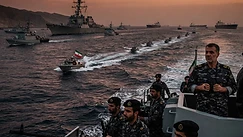
Tehran Outlines Formal Exclusion Zone Around Hormuz to Counter US Blockade
Iranian security officials have announced imminent plans to implement an operational maritime exclusion zone stretching from the U.S. naval blockade perimeter directly across the Strait of Hormuz.

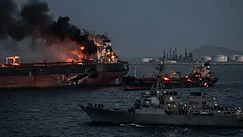
US Neutralizes IRGC Tankers off Kharg Island as Diplomatic Narrative Fractures
U.S. Central Command disabled three Iranian crude carriers over the weekend following IRGC missile launches against American warships, escalating the maritime conflict into its seventh month.

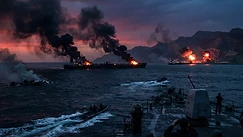
CENTCOM Destroys Iranian Tankers and Coastal Launch Sites as Tehran Claims Drone Intercepts
U.S. Central Command struck three Iranian oil tankers and pre-positioned coastal minelaying missile platforms, while Tehran claimed to strike an unmanned American naval vessel in contested Hormuz waters.