Backchannel Diplomacy: US and Iran Engage in Indirect Oman Talks to Limit Regional Conflict
Senior US officials and Iranian representatives have utilized Omani mediation to discuss de-escalation strategies following direct military exchanges in April.
Your ad here — 728×90 banner space
In a concerted effort to prevent the current regional tensions from evolving into a full-scale theater war, high-level representatives from the United States and Iran recently engaged in a series of indirect talks in Muscat, Oman. Sources familiar with the proceedings confirm that the American delegation included Brett McGurk, the White House’s top Middle East advisor, and Abram Paley, the acting US special envoy for Iran. These discussions represent the first known engagement of this scale since the direct exchange of missiles and drones between Israel and Iran in mid-April.
The primary focus of the talks, according to diplomatic briefings, was twofold: the stabilization of maritime corridors in the Red Sea and the limitation of proxy activities by Iranian-aligned groups in Iraq and Syria. The US reportedly delivered warnings regarding the continued Houthi attacks on commercial shipping, emphasizing that further escalation would necessitate more robust kinetic responses. Conversely, the Iranian side sought clarity on the status of frozen assets and signaled a desire to avoid a direct military confrontation with US forces, provided their regional interests were respected.
While the talks did not result in a formal agreement or a 'grand bargain,' they established a vital communications link. Historically, Oman has served as a neutral ground for 'proximity talks,' where mediators shuttle between rooms to relay messages. This channel is viewed by regional analysts as a 'safety valve' designed to prevent miscalculations. However, the efficacy of these talks remains under scrutiny as the humanitarian situation in Gaza continues to drive regional volatility. For Tehran, the Muscat channel serves as a mechanism to manage the risk of US intervention, while for Washington, it provides a means to project red lines without the political domestic cost of direct public engagement. As of this morning, neither the State Department nor the Iranian Foreign Ministry has officially commented on the specific outcomes of the latest session, though both sides have acknowledged the 'utility of diplomatic channels' in maintaining regional equilibrium.
Related Intel
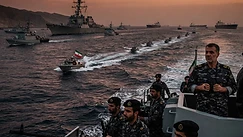
Tehran Outlines Formal Exclusion Zone Around Hormuz to Counter US Blockade
Iranian security officials have announced imminent plans to implement an operational maritime exclusion zone stretching from the U.S. naval blockade perimeter directly across the Strait of Hormuz.
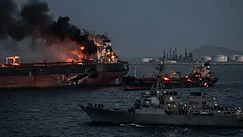
US Neutralizes IRGC Tankers off Kharg Island as Diplomatic Narrative Fractures
U.S. Central Command disabled three Iranian crude carriers over the weekend following IRGC missile launches against American warships, escalating the maritime conflict into its seventh month.
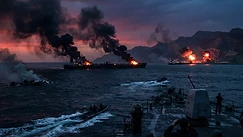
CENTCOM Destroys Iranian Tankers and Coastal Launch Sites as Tehran Claims Drone Intercepts
U.S. Central Command struck three Iranian oil tankers and pre-positioned coastal minelaying missile platforms, while Tehran claimed to strike an unmanned American naval vessel in contested Hormuz waters.