US-Iran Hostilities Resume with Strikes Near Strait of Hormuz
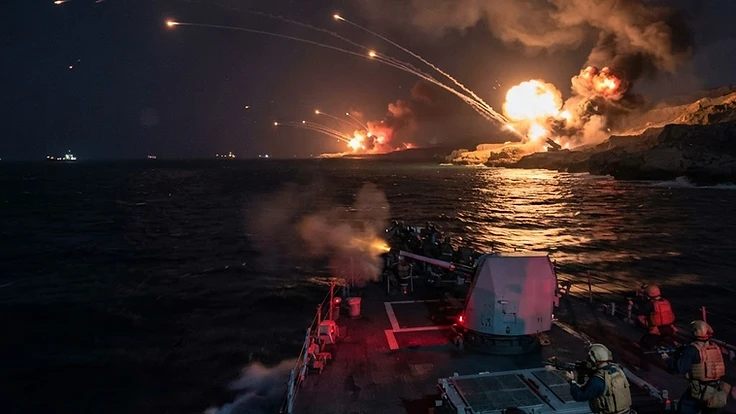
U.S. Central Command has launched targeted strikes against Iranian rocket launchers near the Strait of Hormuz, marking the first direct military engagement between the two nations in over a month.

Your ad here — 728×90 banner space
Military tensions in the Persian Gulf have escalated sharply following a series of U.S. strikes against Iranian military assets near the Strait of Hormuz. According to U.S. Central Command (CENTCOM), the operation targeted rocket launchers identified as posing an imminent threat to commercial shipping. This action represents the first significant military exchange between Washington and Tehran in approximately four weeks, effectively ending a period of relative, albeit fragile, calm. The strikes follow reports of increased Iranian drone activity and regional posturing, which have heightened concerns regarding the security of the world's most critical maritime oil chokepoint. Analysts suggest that the resumption of direct kinetic action signals a collapse in recent de-escalation efforts, as both sides return to a posture of active confrontation. The U.S. military maintains that its actions are defensive, aimed at protecting the freedom of navigation for commercial vessels that have faced persistent threats throughout the ongoing conflict. Meanwhile, Iranian state media has characterized the strikes as an act of aggression, further complicating the already stalled diplomatic channels. As the situation develops, regional observers are closely monitoring for potential retaliatory measures from the Islamic Revolutionary Guard Corps (IRGC), which has previously utilized asymmetric tactics to disrupt transit through the waterway. The return to active hostilities has immediately impacted global energy markets, with traders pricing in a renewed geopolitical risk premium as the prospect of a prolonged, high-intensity conflict once again dominates the regional outlook.
Related Intel

Tehran Outlines Formal Exclusion Zone Around Hormuz to Counter US Blockade
Iranian security officials have announced imminent plans to implement an operational maritime exclusion zone stretching from the U.S. naval blockade perimeter directly across the Strait of Hormuz.

US Neutralizes IRGC Tankers off Kharg Island as Diplomatic Narrative Fractures
U.S. Central Command disabled three Iranian crude carriers over the weekend following IRGC missile launches against American warships, escalating the maritime conflict into its seventh month.

CENTCOM Destroys Iranian Tankers and Coastal Launch Sites as Tehran Claims Drone Intercepts
U.S. Central Command struck three Iranian oil tankers and pre-positioned coastal minelaying missile platforms, while Tehran claimed to strike an unmanned American naval vessel in contested Hormuz waters.