US Forces Neutralize Iranian Mine-Laying Assets in Targeted Hormuz Strikes
United States forces conducted a series of precision strikes against 60 Iranian targets, focusing on mine-laying facilities and radar installations to maintain maritime access.

Your ad here — 728×90 banner space
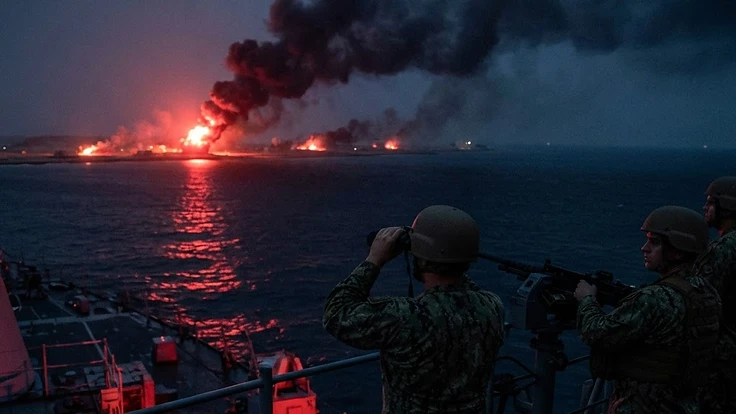
In a significant escalation of the ongoing maritime conflict, United States forces have conducted a massive wave of precision strikes against approximately 60 Iranian military targets along the southern coast and within the Strait of Hormuz. According to reports from News 18, the operation specifically targeted air defense installations, radar equipment, and critical mine-laying facilities that have been used to threaten commercial shipping. The strikes come as a direct response to recent attempts by the Islamic Revolutionary Guard Corps (IRGC) to deploy naval mines in the narrow chokepoint, which facilitates nearly 20% of the world's oil supply.
President Donald Trump characterized the military action as a necessary measure to ensure the freedom of navigation, stating that while the strikes were limited in duration, the U.S. remains prepared for additional operations if Tehran continues its interference with global energy flows. The primary focus of the engagement was Larak Island, a strategic location where U.S. forces successfully neutralized two rocket launchers that had been identified as immediate threats to passing tankers. This tactical shift toward preemptive destruction of mine-laying capabilities marks a new phase in the seven-month-old conflict, which began in late February 2026.
Despite the intensity of the strikes, U.S. officials emphasized that the goal is not a full-scale invasion but the degradation of Iran's ability to close the Strait. U.S. Energy Secretary Chris Wright noted that the military is currently escorting approximately 40 vessels through the waterway, ensuring that roughly 18 million barrels of oil reach international markets daily. This escort program is designed to counter the IRGC's 'full control' claims and demonstrate that the U.S. can maintain the flow of crude even under fire. However, the Iranian side has already begun retaliating, with reports of missile strikes targeting U.S. regional positions and bases across the Middle East, according to The Business Times. The situation remains highly volatile as both nations trade blows in the most significant exchange of fire since July.
Related Intel

Tehran Outlines Formal Exclusion Zone Around Hormuz to Counter US Blockade
Iranian security officials have announced imminent plans to implement an operational maritime exclusion zone stretching from the U.S. naval blockade perimeter directly across the Strait of Hormuz.

US Neutralizes IRGC Tankers off Kharg Island as Diplomatic Narrative Fractures
U.S. Central Command disabled three Iranian crude carriers over the weekend following IRGC missile launches against American warships, escalating the maritime conflict into its seventh month.

CENTCOM Destroys Iranian Tankers and Coastal Launch Sites as Tehran Claims Drone Intercepts
U.S. Central Command struck three Iranian oil tankers and pre-positioned coastal minelaying missile platforms, while Tehran claimed to strike an unmanned American naval vessel in contested Hormuz waters.