U.S. Increases Force Posture with F-22 Squadrons and Carrier Realignment
The Pentagon has ordered the deployment of additional fighter jets and Navy warships to the Middle East to defend Israel and protect U.S. personnel.
Your ad here — 728×90 banner space
U.S. Defense Secretary Lloyd Austin has authorized a significant increase in the American military footprint in the Middle East as the region braces for potential Iranian retaliation. The Pentagon confirmed on Sunday that additional F-22 Raptor stealth fighters are being deployed to the U.S. Central Command (CENTCOM) area of responsibility. These assets are intended to provide enhanced air-to-air combat capabilities and ballistic missile defense integration. Furthermore, the USS Abraham Lincoln Carrier Strike Group is being expedited to the region to replace the USS Theodore Roosevelt, ensuring a persistent carrier presence. This transition is critical for maintaining maritime strike capabilities and providing a carrier-based aviation hub near the Strait of Hormuz and the Red Sea. In addition to the carrier and land-based aviation, the U.S. is sending more cruisers and destroyers capable of ballistic missile defense. These naval assets are being positioned in the Eastern Mediterranean and the North Arabian Sea to create a multi-layered defense shield. A senior defense official stated that these moves are purely defensive in nature, aimed at deterring Iran and its proxies while signaling an ironclad commitment to the defense of Israel. The deployment follows a high-level coordination meeting between CENTCOM Commander General Michael 'Erik' Kurilla and Israeli defense officials. Kurilla's visit to the region is focused on finalizing the coalition architecture that successfully intercepted over 300 Iranian threats in April. However, military analysts warn that the current threat profile may be more complex, involving coordinated simultaneous attacks from Lebanon, Yemen, Iraq, and Iran. The logistical challenge of maintaining this high state of readiness is significant, as the U.S. must balance these requirements with ongoing commitments in the Indo-Pacific and Eastern Europe. The presence of F-22s, in particular, serves as a high-end deterrent intended to signal to Tehran that any escalation involving advanced air defenses or long-range assets will be met with superior technological force.
Related Intel
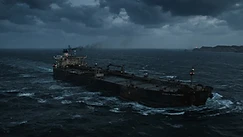
Strait Commodity Transits Plunge to Fresh Baselines Following Tit-for-Tat Tanker Strikes
Commercial traffic through the Strait of Hormuz has plummeted to an average of just 10 commodity vessels per day following mutual military attacks on commercial and state-linked tankers.
Strait Corridor Suppression Drags Commercial Transits Far Below Pre-War Baselines
Vessel transit figures through Hormuz remain deeply depressed, with tracking services recording single-digit crossings despite official claims of operational normalization.
Tehran Rejects Qatari Transit Initiatives as Regional Allied Navies Resist Unilateral Escort Commitments
Diplomatic sources confirm Iran has rebuffed Qatari mediation to ease Strait shipping controls, while key Asian allies push back on demands for independent naval deployments.