U.S. Central Command Reports 48 Vessels Redirected Amid Blockade
U.S. Central Command confirmed that 48 vessels have been forced to redirect since the reinstatement of the blockade on Iranian ports last month.
Your ad here — 728×90 banner space
U.S. Central Command (CENTCOM) reported that the reinstated blockade on Iranian ports, which resumed on July 14 following the collapse of the ceasefire agreement, has successfully redirected 48 vessels to date. The blockade, which aims to restrict maritime traffic entering and exiting Iranian ports through the Strait of Hormuz, continues to be a primary point of friction in the ongoing conflict. In the last 24 hours alone, U.S. forces redirected three additional ships. While the U.S. maintains that the blockade is a necessary measure to exert pressure on Tehran, Iranian officials have consistently denied the legitimacy of these actions, with some lawmakers rejecting reports of ongoing negotiations with Oman regarding the reopening of the waterway. The situation remains highly fluid, as the U.S. naval posture in the region shows no signs of immediate withdrawal. Military analysts observe that the blockade is effectively forcing commercial shipping to seek alternative, often longer, routes, which contributes to the elevated operational costs for global logistics firms. The White House has indicated that this pressure will persist until a broader, more comprehensive agreement is reached with the Iranian leadership.
Related Intel
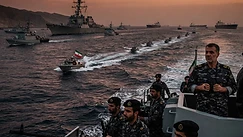
Tehran Outlines Formal Exclusion Zone Around Hormuz to Counter US Blockade
Iranian security officials have announced imminent plans to implement an operational maritime exclusion zone stretching from the U.S. naval blockade perimeter directly across the Strait of Hormuz.
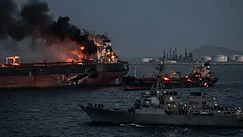
US Neutralizes IRGC Tankers off Kharg Island as Diplomatic Narrative Fractures
U.S. Central Command disabled three Iranian crude carriers over the weekend following IRGC missile launches against American warships, escalating the maritime conflict into its seventh month.
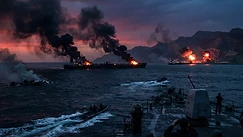
CENTCOM Destroys Iranian Tankers and Coastal Launch Sites as Tehran Claims Drone Intercepts
U.S. Central Command struck three Iranian oil tankers and pre-positioned coastal minelaying missile platforms, while Tehran claimed to strike an unmanned American naval vessel in contested Hormuz waters.