Tehran Proposes New Maritime Transit Framework Amid Hormuz Standoff
Iran has presented a new proposal to Oman regarding the management of the Strait of Hormuz, seeking to formalize transit routes through its own waters.
Your ad here — 728×90 banner space
The Iranian government has reportedly presented a new proposal to Omani mediators aimed at resolving the ongoing impasse regarding transit through the Strait of Hormuz. According to reports from regional officials, Tehran is seeking a framework that would mandate specific maritime traffic patterns, including the use of Iranian-controlled waters for inbound and outbound vessels. Kazem Gharibabadi, Iran's Deputy Foreign Minister, confirmed that Tehran has rejected previous Omani proposals for an equal division of transit routes, citing national security concerns. The Iranian position remains that the waterway will stay closed to vessels that do not adhere to these new transit requirements. This diplomatic maneuver comes as the Strait of Hormuz remains a critical pressure point in the broader US-Iran conflict, with shipping traffic having experienced significant volatility throughout the summer. While the US continues to maintain a naval presence to ensure freedom of navigation, the lack of a formal, binding agreement has left commercial operators in a state of high uncertainty. Analysts note that Iran's insistence on controlling the transit corridor is a strategic effort to leverage its geographic position against the ongoing US blockade of Iranian ports. As of early August, the maritime environment remains highly volatile, with insurance premiums for vessels operating in the region remaining at elevated levels. The success of these negotiations remains contingent on whether Washington and Tehran can bridge the gap between their respective security requirements and the international demand for unhindered global energy transit.
Related Intel
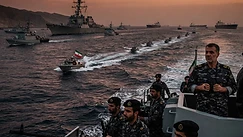
Tehran Outlines Formal Exclusion Zone Around Hormuz to Counter US Blockade
Iranian security officials have announced imminent plans to implement an operational maritime exclusion zone stretching from the U.S. naval blockade perimeter directly across the Strait of Hormuz.
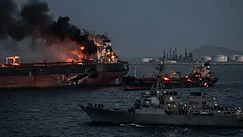
US Neutralizes IRGC Tankers off Kharg Island as Diplomatic Narrative Fractures
U.S. Central Command disabled three Iranian crude carriers over the weekend following IRGC missile launches against American warships, escalating the maritime conflict into its seventh month.
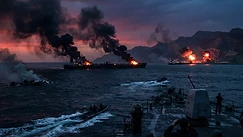
CENTCOM Destroys Iranian Tankers and Coastal Launch Sites as Tehran Claims Drone Intercepts
U.S. Central Command struck three Iranian oil tankers and pre-positioned coastal minelaying missile platforms, while Tehran claimed to strike an unmanned American naval vessel in contested Hormuz waters.