Tehran and Oman Advance Maritime Transit Framework
Iran and Oman have reportedly finalized new shipping coordinates for vessels transiting the Strait of Hormuz, signaling a potential shift in maritime control.
Your ad here — 728×90 banner space
Diplomatic efforts to stabilize the Strait of Hormuz have entered a new phase as reports confirm that Iran and Oman have reached an agreement on revised shipping coordinates. This development, confirmed by regional officials, aims to establish a controlled transit corridor through the vital waterway, which has been the site of repeated military confrontations since February 2026. The agreement comes amid intense international pressure to reopen the chokepoint, which carries approximately one-fifth of global oil and gas supplies. While the specifics of the new coordinates remain under review by international maritime authorities, the move is seen as a tactical attempt by Tehran to formalize its influence over regional maritime traffic. Despite the diplomatic progress, the security environment remains volatile. President Donald Trump has publicly stated that the Strait must be reopened 'very soon' or Iran would face severe consequences, maintaining a high-pressure stance despite the ongoing negotiations. The effectiveness of this new framework will depend heavily on whether the United States and its allies recognize the legitimacy of these transit zones, particularly given the history of attacks on merchant vessels in the area. As of August 6, 2026, the situation remains fluid, with global energy markets closely monitoring whether this agreement will lead to a sustained reduction in shipping risks or if it will be undermined by further military escalations.
Related Intel

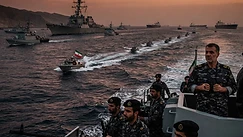
Tehran Outlines Formal Exclusion Zone Around Hormuz to Counter US Blockade
Iranian security officials have announced imminent plans to implement an operational maritime exclusion zone stretching from the U.S. naval blockade perimeter directly across the Strait of Hormuz.

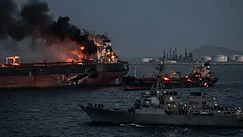
US Neutralizes IRGC Tankers off Kharg Island as Diplomatic Narrative Fractures
U.S. Central Command disabled three Iranian crude carriers over the weekend following IRGC missile launches against American warships, escalating the maritime conflict into its seventh month.

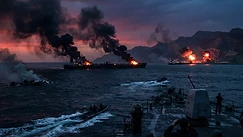
CENTCOM Destroys Iranian Tankers and Coastal Launch Sites as Tehran Claims Drone Intercepts
U.S. Central Command struck three Iranian oil tankers and pre-positioned coastal minelaying missile platforms, while Tehran claimed to strike an unmanned American naval vessel in contested Hormuz waters.