Tehran Legislative Draft Proposes Permanent Ban on US and Israeli Vessels
A new bill under discussion in the Iranian parliament seeks to codify restrictions on specific foreign naval and commercial traffic through the Strait.
Your ad here — 728×90 banner space
As high-level diplomatic talks continue in Muscat, a parallel development in Tehran is threatening to undermine the prospects for a long-term peace. Reports from Al Jazeera indicate that the Iranian parliament is currently debating a bill that would formally bar all U.S. and Israeli-flagged vessels from transiting the Strait of Hormuz. The draft legislation, if passed, would codify the current de facto blockade into Iranian law, presenting a significant challenge to international maritime norms and the 'freedom of navigation' principles that the U.S. has vowed to defend.
The proposed law is seen by many analysts as a move by hardliners within the Iranian government to sabotage the ongoing negotiations led by the executive branch. By creating a legal mandate for the Islamic Revolutionary Guard Corps (IRGC) to intercept specific vessels, the bill would make it nearly impossible for any reopening agreement to include the U.S. Navy or commercial ships with ties to Israel. This legislative maneuver comes at a time when the IRGC already claims 'complete control' over the waterway, a stance they have maintained since the official closure announcement on March 2, 2026. The bill would provide a domestic legal framework for these actions, complicating any future efforts to return to the status quo ante.
International legal experts warn that such a ban would be a direct violation of the right of 'transit passage' through international straits as defined by UNCLOS. While Iran is not a party to the convention, the U.S. and most other nations consider these provisions to be part of customary international law. The introduction of this bill has already prompted a response from the UN maritime agency (IMO), which has called for 'maximum restraint' to avoid a total collapse of the ceasefire framework. For shipping companies, the potential for a permanent, targeted ban means that even if the strait reopens, the risk of seizure for certain vessels will remain 'critical' for the foreseeable future. Companies are advised to review vessel registries and ownership structures as part of their regional risk mitigation strategies.
Related Intel
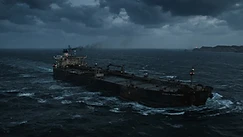
Strait Commodity Transits Plunge to Fresh Baselines Following Tit-for-Tat Tanker Strikes
Commercial traffic through the Strait of Hormuz has plummeted to an average of just 10 commodity vessels per day following mutual military attacks on commercial and state-linked tankers.
Strait Corridor Suppression Drags Commercial Transits Far Below Pre-War Baselines
Vessel transit figures through Hormuz remain deeply depressed, with tracking services recording single-digit crossings despite official claims of operational normalization.
Tehran Rejects Qatari Transit Initiatives as Regional Allied Navies Resist Unilateral Escort Commitments
Diplomatic sources confirm Iran has rebuffed Qatari mediation to ease Strait shipping controls, while key Asian allies push back on demands for independent naval deployments.