Tehran Hardens Stance as Omani Mediation Faces New Demands
Iranian officials have introduced a series of steep new demands in the latest round of Omani-mediated talks, complicating hopes for a swift reopening of the Strait of Hormuz.

Your ad here — 728×90 banner space
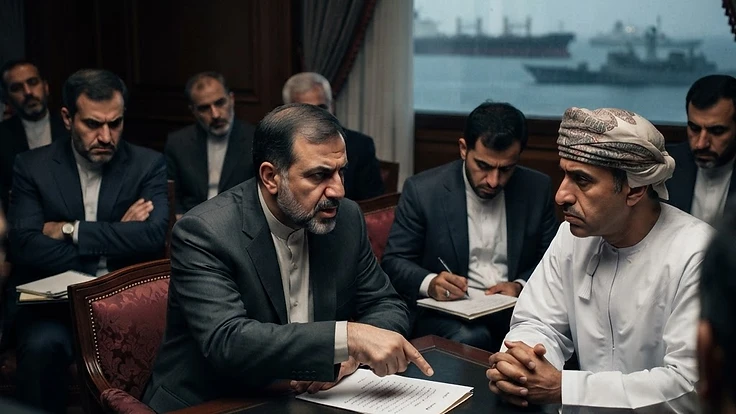
Negotiations aimed at restoring maritime stability in the Persian Gulf hit a significant hurdle on Sunday as Tehran signaled it would not reopen the Strait of Hormuz until a comprehensive set of new conditions is met. According to reports from the Omani capital, Muscat, Iranian negotiators have moved beyond the initial 14-point memorandum of understanding signed on June 17, now insisting on immediate compensation for recent military strikes and the total removal of the U.S. naval blockade before any commercial traffic is permitted to resume. The impasse comes despite optimistic statements from Omani mediators who characterized the dialogue as 'positive' just 24 hours prior.
The current diplomatic friction centers on the interpretation of the June 17 truce, which originally called for a 60-day negotiation window to address uranium enrichment and regional security. However, the resumption of hostilities in early July—which left 14 people dead across five Iranian provinces—has fundamentally altered the calculus for the Iranian leadership. State-aligned media in Tehran published a draft plan late last week outlining restrictive conditions for ship traffic, effectively codifying the 'closed' status of the waterway that has been in place since March 4, 2026.
U.S. officials have remained cautious, with the White House reiterating that freedom of navigation is a non-negotiable international right. The International Maritime Organization (IMO) has expressed alarm at the hardening rhetoric, noting that the safety conditions required for merchant vessels are currently non-existent. UN Secretary-General António Guterres has called for an immediate de-escalation, but the introduction of these 'steep demands' suggests that Tehran is prepared for a prolonged standoff. Analysts suggest that Iran is leveraging its control over the waterway to force a broader rollback of U.S. and UN Security Council sanctions, a move that Washington has so far resisted. As the 60-day window for a 'final deal' continues to shrink, the risk of a permanent shift in the regional security architecture grows, leaving global energy markets and shipping firms in a state of perpetual uncertainty.
Related Intel

Tehran Outlines Formal Exclusion Zone Around Hormuz to Counter US Blockade
Iranian security officials have announced imminent plans to implement an operational maritime exclusion zone stretching from the U.S. naval blockade perimeter directly across the Strait of Hormuz.

US Neutralizes IRGC Tankers off Kharg Island as Diplomatic Narrative Fractures
U.S. Central Command disabled three Iranian crude carriers over the weekend following IRGC missile launches against American warships, escalating the maritime conflict into its seventh month.

CENTCOM Destroys Iranian Tankers and Coastal Launch Sites as Tehran Claims Drone Intercepts
U.S. Central Command struck three Iranian oil tankers and pre-positioned coastal minelaying missile platforms, while Tehran claimed to strike an unmanned American naval vessel in contested Hormuz waters.