Tehran Escalates Demands for Strait Transit Fees as Peace Talks Falter
Iran has introduced new conditions for reopening the Strait of Hormuz, including the imposition of transit fees, complicating ongoing Omani-led mediation efforts.
Your ad here — 728×90 banner space
The diplomatic landscape surrounding the Strait of Hormuz has shifted significantly this week as Tehran formalizes new demands for the resumption of maritime traffic. According to senior Iranian officials, any permanent peace agreement must now include provisions allowing Iran to levy transit fees on commercial vessels passing through the waterway. These fees, which Tehran claims are intended to facilitate rather than restrict transit, would be calculated based on vessel type and cargo specifications. This proposal marks a departure from previous discussions and has been met with skepticism by international observers and regional stakeholders. The United States, maintaining a firm stance, has reiterated that free and unhindered navigation through the Strait is a non-negotiable component of any settlement. President Trump recently emphasized that the waterway cannot be held hostage, signaling that the U.S. will continue to exert economic and military pressure until a satisfactory resolution is reached. Meanwhile, Omani mediators continue to facilitate backchannel communications, though the introduction of these new financial demands has stalled progress. Shipping industry experts note that such unilateral fee structures are unprecedented in modern maritime law, raising concerns about the long-term viability of any deal that grants Iran regulatory control over the chokepoint. As the stalemate persists, the U.S. naval blockade of Iranian ports remains in effect, further tightening the supply of crude oil to global markets and keeping energy prices elevated.
Related Intel

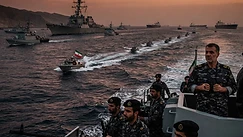
Tehran Outlines Formal Exclusion Zone Around Hormuz to Counter US Blockade
Iranian security officials have announced imminent plans to implement an operational maritime exclusion zone stretching from the U.S. naval blockade perimeter directly across the Strait of Hormuz.

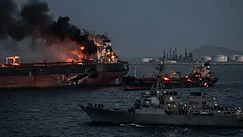
US Neutralizes IRGC Tankers off Kharg Island as Diplomatic Narrative Fractures
U.S. Central Command disabled three Iranian crude carriers over the weekend following IRGC missile launches against American warships, escalating the maritime conflict into its seventh month.

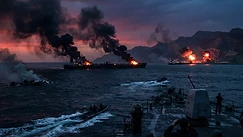
CENTCOM Destroys Iranian Tankers and Coastal Launch Sites as Tehran Claims Drone Intercepts
U.S. Central Command struck three Iranian oil tankers and pre-positioned coastal minelaying missile platforms, while Tehran claimed to strike an unmanned American naval vessel in contested Hormuz waters.