Tehran and Doha Engage in High-Stakes Hormuz Diplomacy
Qatari officials met with Iranian leadership in Tehran to negotiate the restoration of commercial shipping through the Strait of Hormuz.
Your ad here — 728×90 banner space
Diplomatic efforts to de-escalate the six-month-old conflict between the United States and Iran intensified this week as the Prime Minister of Qatar traveled to Tehran. The primary objective of the mission is to secure a framework for reopening the Strait of Hormuz, a critical maritime chokepoint that historically facilitated 20% of global oil supply. Following the outbreak of hostilities in late February, traffic through the waterway has plummeted, with daily transits representing only a fraction of the pre-war average of 140 vessels. While previous mediation attempts have struggled to gain traction, the current talks focus on a memorandum of understanding that would establish clear terms for commercial transit. Iran has signaled a willingness to draft conditions for reopening, though officials maintain that any agreement must address the ongoing U.S. blockade of Iranian ports. The geopolitical stakes remain high, as the global energy market continues to grapple with supply chain bottlenecks and elevated fuel prices. Analysts note that while crude oil flows have shown resilience, the lack of consistent transit through the Strait continues to exert upward pressure on refined products like gasoline and diesel, which remain above $4 and $5.60 per gallon respectively in the United States. The outcome of these negotiations is being closely monitored by international stakeholders, as the current stalemate threatens to keep global oil supplies sluggish through the remainder of the year.
Related Intel


CENTCOM Targets Coastal Strike Launchers as Iran Expands Regional Drone and Missile Retaliation
U.S. forces conducted a renewed wave of precision air operations against Iranian coastal missile sites and mine-laying systems around Bandar Abbas. In response, Iranian forces launched retaliatory missile and drone waves aimed at regional installations and allied air defense networks.

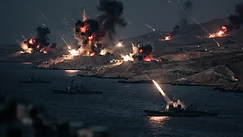
US Waves of Strikes Target 100 IRGC Sites Following Chokepoint Projectile Attacks
United States military forces struck approximately 100 Iranian military targets across coastal positions following projectile attacks against commercial tankers in the Strait of Hormuz. Defense officials indicated the precision operation focused on degrading coastal defense radars, drone launchers, and mine-laying assets.

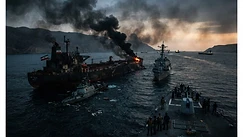
US Adopts 'Tanker for Tanker' Retaliatory Doctrine Against IRGC Vessels
The United States has shifted to a direct retaliatory posture in the Strait of Hormuz, striking two IRGC-affiliated tankers following attacks on commercial shipping.