Tehran Demands US Compensation as Hormuz Reopening Talks Hit New Impasse
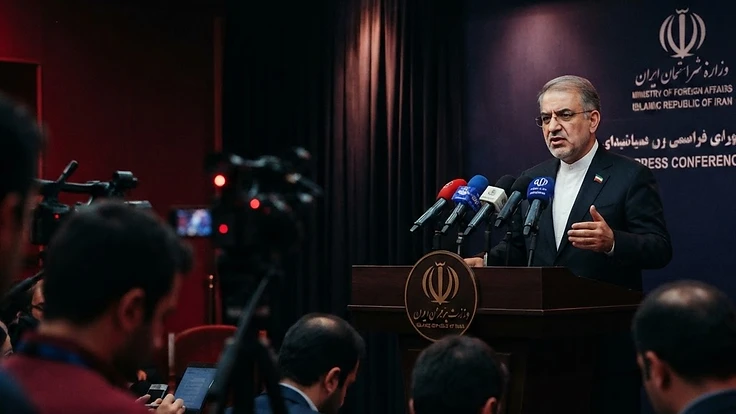
Iranian Foreign Minister Abbas Araghchi has conditioned the reopening of the Strait of Hormuz on U.S. compensation, a move the Trump administration has labeled a major roadblock.

Your ad here — 728×90 banner space
Negotiations to restore commercial traffic through the Strait of Hormuz have reached a critical friction point as Tehran introduces new financial demands. Iranian Foreign Minister Abbas Araghchi stated on Saturday that while Iran and Oman are 'very close' to a technical agreement regarding shipping coordinates, the actual reopening of the waterway remains conditional on the United States providing compensation for economic damages. This development follows months of a U.S.-led naval blockade and subsequent Iranian retaliatory measures that have effectively shuttered the world's most vital energy chokepoint.
In Washington, the Trump administration has reacted sharply to the new demands. President Donald Trump, who previously signaled optimism regarding the Islamabad Memorandum, characterized the compensation request as a 'roadblock' to regional stability. U.S. officials have repeatedly emphasized that they will not agree to Iranian control over international trade routes, nor will they provide direct financial restitution for sanctions-related losses. The impasse comes at a sensitive time for the White House, as domestic pressure mounts to lower gasoline prices before the Labor Day holiday.
Omani mediators, who have been facilitating the talks in Muscat, described the current atmosphere as 'positive and constructive' yet warned that the introduction of high-level political demands could derail the technical progress made on safe shipping corridors. According to sources familiar with the talks, the two sides had previously reached a preliminary understanding on the geographical coordinates for inbound and outbound routes, covering legal and environmental safety protocols. However, the insistence on compensation suggests that Tehran is leveraging its maritime position to secure broader sanctions relief or frozen asset releases.
Market analysts suggest that this diplomatic stalemate is likely to keep war risk premiums elevated. Currently, insurance costs for vessels attempting to navigate the region remain between 7.5% and 10% of hull value, a prohibitive cost for most commercial operators. Until a formal agreement is reached that satisfies both the security requirements of the U.S. and the economic demands of Iran, the 'loitering' clusters of tankers on either side of the Strait are expected to remain stationary, further straining global energy supply chains.
Related Intel

Tehran Outlines Formal Exclusion Zone Around Hormuz to Counter US Blockade
Iranian security officials have announced imminent plans to implement an operational maritime exclusion zone stretching from the U.S. naval blockade perimeter directly across the Strait of Hormuz.

US Neutralizes IRGC Tankers off Kharg Island as Diplomatic Narrative Fractures
U.S. Central Command disabled three Iranian crude carriers over the weekend following IRGC missile launches against American warships, escalating the maritime conflict into its seventh month.

CENTCOM Destroys Iranian Tankers and Coastal Launch Sites as Tehran Claims Drone Intercepts
U.S. Central Command struck three Iranian oil tankers and pre-positioned coastal minelaying missile platforms, while Tehran claimed to strike an unmanned American naval vessel in contested Hormuz waters.