Tehran Breach: Assassination of Ismail Haniyeh Heightens Regional Conflict Risks
The political leader of Hamas was assassinated in a targeted strike in Tehran, just hours after attending the inauguration of Iran's new president.

Your ad here — 728×90 banner space
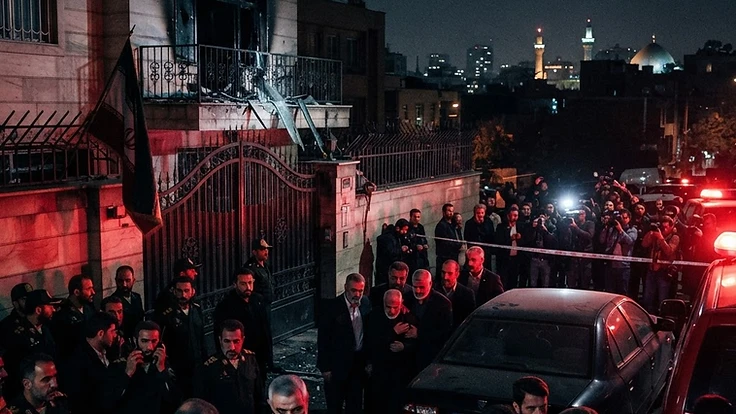
In a development that threatens to ignite a broader regional conflagration, the Islamic Revolutionary Guard Corps (IRGC) confirmed on Wednesday morning that Ismail Haniyeh, the head of the Hamas political bureau, was killed at his residence in Tehran. Haniyeh had been in the Iranian capital to attend the inauguration of President Masoud Pezeshkian on Tuesday. The IRGC stated that Haniyeh and one of his bodyguards were killed when their residence was targeted. While Israel has not officially claimed responsibility for the strike, the operation bears the hallmarks of a sophisticated intelligence-led assassination on sovereign Iranian soil, marking one of the most significant security breaches in the Islamic Republic in recent years. Iranian Supreme Leader Ayatollah Ali Khamenei issued a direct warning following the news, stating that it is 'Iran's duty' to seek revenge for Haniyeh's blood, as he was a guest in the country. The assassination occurs at a critical juncture in the ongoing Gaza ceasefire negotiations, where Haniyeh was a primary interlocutor. Diplomatic sources suggest that the prospects for a near-term truce have now effectively collapsed. The timing of the strike—occurring just hours after an Israeli strike in Beirut—suggests a coordinated effort to dismantle the leadership structure of the 'Axis of Resistance.' U.S. Secretary of State Antony Blinken, speaking from Singapore, stated that the United States was 'not aware of or involved in' the assassination. However, the Pentagon has reinforced its commitment to Israeli security while attempting to de-escalate regional tensions. Markets have reacted with immediate volatility; although oil prices were lower earlier in the week due to Chinese demand concerns, the news of Haniyeh's death prompted an immediate 2% spike in Brent crude futures during early Asian trading. Strategic analysts at the Hormuz Sentinel note that Tehran’s response will likely determine the trajectory of the Middle East for the remainder of 2024. A direct response from Iranian territory, similar to the April 13 missile and drone barrage, remains a high-probability scenario as the regime seeks to restore deterrence.
Related Intel

Tehran Outlines Formal Exclusion Zone Around Hormuz to Counter US Blockade
Iranian security officials have announced imminent plans to implement an operational maritime exclusion zone stretching from the U.S. naval blockade perimeter directly across the Strait of Hormuz.

US Neutralizes IRGC Tankers off Kharg Island as Diplomatic Narrative Fractures
U.S. Central Command disabled three Iranian crude carriers over the weekend following IRGC missile launches against American warships, escalating the maritime conflict into its seventh month.

CENTCOM Destroys Iranian Tankers and Coastal Launch Sites as Tehran Claims Drone Intercepts
U.S. Central Command struck three Iranian oil tankers and pre-positioned coastal minelaying missile platforms, while Tehran claimed to strike an unmanned American naval vessel in contested Hormuz waters.