Targeting the Shadow Fleet: US Sanctions Disrupt Iranian Petrochemical Revenue Networks
The US Treasury Department has designated new entities and vessels involved in the transport of Iranian petrochemicals, targeting the 'shadow fleet' used to bypass international sanctions.
Your ad here — 728×90 banner space
The United States Department of the Treasury's Office of Foreign Assets Control (OFAC) announced a fresh round of sanctions on Thursday, targeting a network of companies and vessels that facilitate the transport of Iranian petrochemicals to international markets. These actions are part of an ongoing effort to curtail the financial resources available to the Iranian government and its regional proxies, including the Houthi movement in Yemen. The new designations include three companies based in the United Arab Emirates and China, as well as several tankers identified as part of the 'shadow fleet'—a collection of aging vessels that operate with obscured ownership and insurance to transport sanctioned oil. According to the Treasury Department, these entities have collectively generated hundreds of millions of dollars in revenue for the Iranian regime. Treasury Secretary Janet Yellen emphasized in a statement that the US will continue to use every tool at its disposal to disrupt the illicit shipping networks that fund Iran's destabilizing activities. The sanctions freeze all US-based assets of the designated parties and prohibit American citizens and businesses from engaging in transactions with them. Market analysts suggest that while these individual designations are incremental, the cumulative effect is increasing the cost of logistics for Tehran, as insurance premiums for non-compliant vessels rise and reputable ports refuse entry to sanctioned hulls. The timing of this announcement coincides with heightened tensions in the Red Sea, where Houthi militants have continued their campaign against commercial shipping using technology largely attributed to Iranian manufacturing. The US State Department noted that these sanctions specifically target the 'middlemen' who launder the proceeds of petrochemical sales through front companies in Southeast Asia. This latest move follows a pattern of increasing pressure from the Biden administration to limit Iran's export capacity, which has seen a resilient uptick in 2024 despite previous restrictions. Industry data indicates that Iran's crude exports reached a six-year high earlier this year, prompting Washington to intensify its maritime interdiction and financial enforcement strategies. The designated vessels are now expected to face significant hurdles in securing bunkering services and canal transits, further complicating Iran's maritime logistics chain.
Related Intel
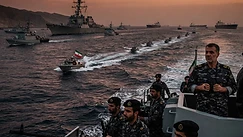
Tehran Outlines Formal Exclusion Zone Around Hormuz to Counter US Blockade
Iranian security officials have announced imminent plans to implement an operational maritime exclusion zone stretching from the U.S. naval blockade perimeter directly across the Strait of Hormuz.
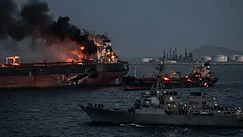
US Neutralizes IRGC Tankers off Kharg Island as Diplomatic Narrative Fractures
U.S. Central Command disabled three Iranian crude carriers over the weekend following IRGC missile launches against American warships, escalating the maritime conflict into its seventh month.
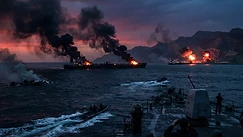
CENTCOM Destroys Iranian Tankers and Coastal Launch Sites as Tehran Claims Drone Intercepts
U.S. Central Command struck three Iranian oil tankers and pre-positioned coastal minelaying missile platforms, while Tehran claimed to strike an unmanned American naval vessel in contested Hormuz waters.