Strait of Hormuz Traffic Hits Weekly Low as Diplomatic Impasse Deepens
Shipping activity through the Strait of Hormuz has plummeted to a one-week low of eight vessels as tensions between Washington and Tehran reach a new peak.

Your ad here — 728×90 banner space
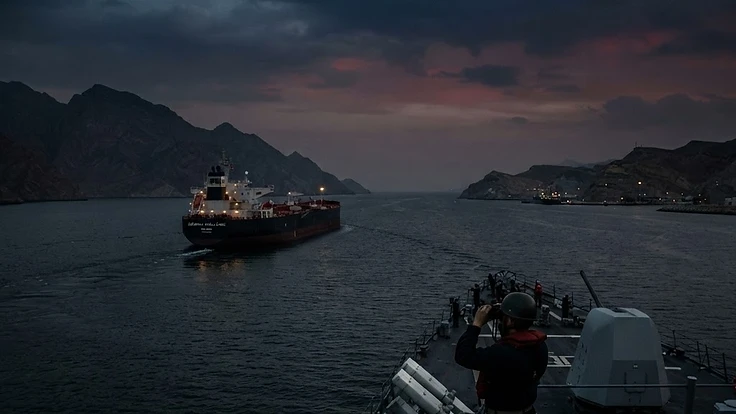
Maritime traffic through the Strait of Hormuz, the world's most critical energy chokepoint, has fallen to a one-week low of just eight vessels as of Tuesday, according to recent shipping data. This sharp decline reflects the growing reluctance of commercial shipowners to navigate the waterway amidst an intensifying standoff between the United States and Iran. The reduction in transit volume follows the collapse of recent diplomatic efforts to establish a framework for safe passage, leaving the maritime corridor in a state of effective paralysis. The current situation is characterized by a hardening of positions on both sides. Tehran has reportedly formalized six new conditions for reopening the strait, including the total withdrawal of U.S. naval and air forces from the region and the immediate lifting of the maritime blockade on Iranian crude exports. Conversely, the White House has maintained its pressure campaign, with President Trump demanding financial reparations for casualties linked to Iranian-backed regional activities. Analysts note that the lack of a viable backchannel has left the shipping industry in a state of high alert. With the 10-day average of vessel transits hovering near 11, the current dip to eight represents a significant contraction in global energy logistics. The volatility is further compounded by reports of recent attacks on commercial vessels, including a strike on an ADNOC-owned tanker, which has heightened security concerns for insurers and operators alike. As the conflict persists, the geopolitical risk premium remains firmly embedded in global energy benchmarks, with market participants bracing for further disruptions to supply chains that rely on the Persian Gulf for transit.
Related Intel
Tehran Outlines Formal Exclusion Zone Around Hormuz to Counter US Blockade
Iranian security officials have announced imminent plans to implement an operational maritime exclusion zone stretching from the U.S. naval blockade perimeter directly across the Strait of Hormuz.
US Neutralizes IRGC Tankers off Kharg Island as Diplomatic Narrative Fractures
U.S. Central Command disabled three Iranian crude carriers over the weekend following IRGC missile launches against American warships, escalating the maritime conflict into its seventh month.

CENTCOM Destroys Iranian Tankers and Coastal Launch Sites as Tehran Claims Drone Intercepts
U.S. Central Command struck three Iranian oil tankers and pre-positioned coastal minelaying missile platforms, while Tehran claimed to strike an unmanned American naval vessel in contested Hormuz waters.