Strait of Hormuz Traffic Hits Three-Month Low as Diplomatic Impasse Deepens
Commercial shipping through the Strait of Hormuz has plummeted to a three-month low as both Washington and Tehran harden their positions, effectively stalling maritime transit.
Your ad here — 728×90 banner space
Maritime traffic through the Strait of Hormuz has reached a critical nadir, with recent data indicating a five-day average of only thirteen vessels transiting the chokepoint. This decline represents a near three-month low, underscoring the severity of the ongoing standoff between the United States and Iran. The current maritime paralysis follows the collapse of the June 17 Memorandum of Understanding and the subsequent reinstatement of a U.S. naval blockade on Iranian ports. Tehran has signaled that it views the assertion of control over the Strait as a vital national interest, while President Trump has publicly claimed that the United States maintains 'total control' over the waterway. This rhetorical escalation has been matched by a lack of operational movement, as neither side has reported significant military engagements in the last 72 hours, yet the underlying conflict remains unresolved. The absence of a diplomatic breakthrough has left global shipping companies in a state of high alert, with many opting to avoid the region entirely rather than risk potential boarding or seizure by Iranian forces. As the International Energy Agency warns of depleting global oil stockpiles, the inability to secure the Strait is placing unprecedented pressure on energy supply chains. Analysts suggest that the current status quo, characterized by a de facto closure of the waterway, is unsustainable for the global economy, yet both nations appear locked in a strategy of attrition. With no immediate plans for a resumption of high-level talks, the maritime corridor remains effectively shuttered, forcing a reliance on alternative, more costly routes and further straining the global logistics network.
Related Intel

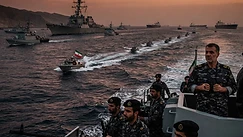
Tehran Outlines Formal Exclusion Zone Around Hormuz to Counter US Blockade
Iranian security officials have announced imminent plans to implement an operational maritime exclusion zone stretching from the U.S. naval blockade perimeter directly across the Strait of Hormuz.

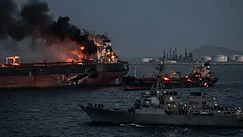
US Neutralizes IRGC Tankers off Kharg Island as Diplomatic Narrative Fractures
U.S. Central Command disabled three Iranian crude carriers over the weekend following IRGC missile launches against American warships, escalating the maritime conflict into its seventh month.

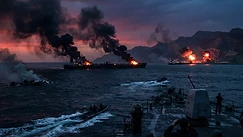
CENTCOM Destroys Iranian Tankers and Coastal Launch Sites as Tehran Claims Drone Intercepts
U.S. Central Command struck three Iranian oil tankers and pre-positioned coastal minelaying missile platforms, while Tehran claimed to strike an unmanned American naval vessel in contested Hormuz waters.