Shipping Industry Faces Unprecedented Operational Challenges
Commercial shipping companies are navigating a high-risk environment in the Gulf as the U.S. and Iran engage in direct maritime confrontations.
Your ad here — 728×90 banner space
The maritime shipping industry is currently facing its most challenging environment in decades as the Strait of Hormuz becomes a primary theater of conflict. With the U.S. Navy implementing a 'tanker for tanker' policy and the IRGC actively targeting commercial vessels, shipping firms are forced to navigate a landscape of extreme uncertainty. Insurance premiums for vessels transiting the region have skyrocketed, and many operators are opting for longer, more expensive routes to avoid the Omani corridor entirely. The impact on global supply chains is becoming increasingly apparent, with delays in energy and commodity shipments affecting markets worldwide. Shipping intelligence firms have reported a sharp decline in traffic through the Strait, as companies prioritize the safety of their crews and assets over the efficiency of the route. The situation is further complicated by the presence of sea mines and the threat of drone attacks, which have necessitated a higher level of security coordination between commercial operators and naval forces. As the conflict shows no signs of abating, the industry is bracing for a prolonged period of disruption. Companies are increasingly looking toward long-term contingency planning, including the development of alternative logistics hubs and the diversification of supply routes, to mitigate the risks posed by the ongoing instability in the Gulf.
Related Intel
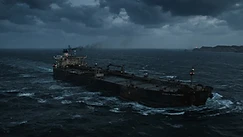
Strait Commodity Transits Plunge to Fresh Baselines Following Tit-for-Tat Tanker Strikes
Commercial traffic through the Strait of Hormuz has plummeted to an average of just 10 commodity vessels per day following mutual military attacks on commercial and state-linked tankers.
Strait Corridor Suppression Drags Commercial Transits Far Below Pre-War Baselines
Vessel transit figures through Hormuz remain deeply depressed, with tracking services recording single-digit crossings despite official claims of operational normalization.
Tehran Rejects Qatari Transit Initiatives as Regional Allied Navies Resist Unilateral Escort Commitments
Diplomatic sources confirm Iran has rebuffed Qatari mediation to ease Strait shipping controls, while key Asian allies push back on demands for independent naval deployments.