Shipping Industry Remains on High Alert Amid Regulatory Uncertainty
Commercial shipping firms are exercising extreme caution as new Iranian transit regulations threaten to complicate navigation through the Persian Gulf.
Your ad here — 728×90 banner space
The global shipping industry is bracing for further disruption as the latest developments in the Strait of Hormuz create a climate of profound regulatory uncertainty. For months, commercial vessels have navigated a landscape defined by the threat of seizure, missile attacks, and shifting naval blockades. The recent publication of a draft plan by Tehran, which proposes new conditions for transit, has added a layer of bureaucratic risk to an already dangerous maritime environment. Shipping companies, which have already seen transit volumes drop to historic lows, are now forced to evaluate whether the potential for a 'normalized' transit environment is being replaced by a new, more restrictive regime. Industry analysts suggest that even if a diplomatic deal is reached, the operational reality for ship captains will remain fraught with danger. The requirement to comply with potentially conflicting mandates from Tehran and the U.S.-led coalition creates a 'compliance nightmare' for maritime insurers and operators. Furthermore, the persistent threat of Houthi-linked maritime activity in the broader region continues to divert resources and attention away from the Strait of Hormuz. Data from the last 24 hours indicates that while some vessels are attempting to transit, the volume remains significantly below pre-conflict levels. The uncertainty is not just about the physical safety of the ships, but also about the legal and financial implications of transiting a waterway that is effectively under contested jurisdiction. Insurance premiums for vessels entering the Persian Gulf remain at elevated levels, reflecting the market's assessment of the ongoing risk. As the situation evolves, shipping firms are increasingly looking toward alternative routes, despite the higher costs and longer transit times associated with them. The resilience of the global supply chain is being tested, and the current impasse in the Strait of Hormuz serves as a stark reminder of the vulnerability of global trade to regional geopolitical conflicts. Until a clear, enforceable agreement is reached that guarantees the safety and freedom of navigation, the shipping industry is expected to maintain its defensive posture, prioritizing the safety of crews and cargo over the efficiency of traditional routes.
Related Intel
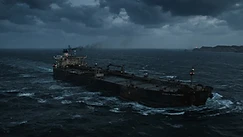
Strait Commodity Transits Plunge to Fresh Baselines Following Tit-for-Tat Tanker Strikes
Commercial traffic through the Strait of Hormuz has plummeted to an average of just 10 commodity vessels per day following mutual military attacks on commercial and state-linked tankers.
Strait Corridor Suppression Drags Commercial Transits Far Below Pre-War Baselines
Vessel transit figures through Hormuz remain deeply depressed, with tracking services recording single-digit crossings despite official claims of operational normalization.
Tehran Rejects Qatari Transit Initiatives as Regional Allied Navies Resist Unilateral Escort Commitments
Diplomatic sources confirm Iran has rebuffed Qatari mediation to ease Strait shipping controls, while key Asian allies push back on demands for independent naval deployments.