Shipping Industry Braces for Prolonged Hormuz Transit Disruptions
Commercial shipping operators are preparing for long-term exit strategies from the Strait of Hormuz as security risks remain elevated.
Your ad here — 728×90 banner space
The maritime industry is increasingly preparing for a prolonged period of instability in the Strait of Hormuz, with many operators developing contingency plans to bypass the critical waterway entirely. Recent intelligence suggests that shipping companies are being advised to prepare for potential exits via alternative routes, including transit through Omani territorial waters, as the risk of collateral damage from US-Iran military exchanges continues to rise. The current security environment is characterized by high uncertainty, with AIS data often contradicting official claims regarding the clearance of the Strait. While the Pentagon has previously stated that sea mines have been cleared, the reality on the ground—or at sea—remains fraught with danger. Tanker traffic has plummeted to record lows, and insurance premiums for vessels operating in the Gulf have skyrocketed, making transit economically unviable for many commercial entities. The impact of these disruptions extends beyond oil, affecting global trade in food and consumer goods. Industry experts warn that even if a temporary ceasefire is reached, the lack of trust between the US and Iran suggests that the threat to maritime security will persist. Shipping firms are now prioritizing the safety of crews and assets over the efficiency of the Hormuz route, a shift that is expected to keep global transportation costs elevated for the foreseeable future. The situation remains a primary concern for global supply chain managers who are struggling to navigate the volatile geopolitical landscape.
Related Intel
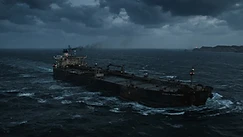
Strait Commodity Transits Plunge to Fresh Baselines Following Tit-for-Tat Tanker Strikes
Commercial traffic through the Strait of Hormuz has plummeted to an average of just 10 commodity vessels per day following mutual military attacks on commercial and state-linked tankers.
Strait Corridor Suppression Drags Commercial Transits Far Below Pre-War Baselines
Vessel transit figures through Hormuz remain deeply depressed, with tracking services recording single-digit crossings despite official claims of operational normalization.
Tehran Rejects Qatari Transit Initiatives as Regional Allied Navies Resist Unilateral Escort Commitments
Diplomatic sources confirm Iran has rebuffed Qatari mediation to ease Strait shipping controls, while key Asian allies push back on demands for independent naval deployments.