Shipping Industry Braces for Prolonged Disruption in the Gulf
Major shipping firms are warning that disruptions in the Strait of Hormuz could persist into next year as the US-Iran conflict shows no signs of de-escalation.
Your ad here — 728×90 banner space
The global shipping industry is preparing for a long-term operational reality in the Strait of Hormuz, with major tanker operators warning that current disruptions could extend well into the coming year. With transit volumes remaining well below the 10-day average and hundreds of vessels holding position away from ports, the logistical strain on regional trade is mounting. The crisis, now in its sixth month, has forced companies to adopt costly alternative routes and navigate complex war-risk insurance requirements. PortWatch data highlights the severity of the situation, noting that only a handful of vessels are successfully transiting the strait daily, compared to the pre-crisis baseline of 85 crossings. The uncertainty surrounding the security of the waterway has led to a significant increase in insurance premiums, further complicating the economics of maritime trade in the region. Industry experts suggest that the combination of military blockades, targeted strikes, and the lack of a diplomatic breakthrough has created a 'new normal' for shipping in the Persian Gulf. As companies adjust their supply chains to mitigate risk, the focus is shifting toward long-term contingency planning, including the use of rare ship-to-ship transfers and increased reliance on non-Hormuz transit points. The persistence of these challenges underscores the deep-seated nature of the current geopolitical impasse.
Related Intel
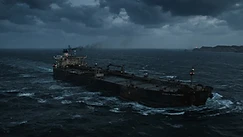
Strait Commodity Transits Plunge to Fresh Baselines Following Tit-for-Tat Tanker Strikes
Commercial traffic through the Strait of Hormuz has plummeted to an average of just 10 commodity vessels per day following mutual military attacks on commercial and state-linked tankers.
Strait Corridor Suppression Drags Commercial Transits Far Below Pre-War Baselines
Vessel transit figures through Hormuz remain deeply depressed, with tracking services recording single-digit crossings despite official claims of operational normalization.
Tehran Rejects Qatari Transit Initiatives as Regional Allied Navies Resist Unilateral Escort Commitments
Diplomatic sources confirm Iran has rebuffed Qatari mediation to ease Strait shipping controls, while key Asian allies push back on demands for independent naval deployments.