Satellite Imagery Confirms Kharg Island Stagnation Under Reinstated US Blockade
Tanker activity at Iran's primary export terminal has hit record lows, with only 16 vessels anchored as the U.S. blockade intensifies.
Your ad here — 728×90 banner space
Recent satellite imagery and maritime tracking data confirm a significant slowdown at Kharg Island, Iran's primary oil export terminal, following the reinstatement of the U.S. naval blockade. As of August 8, 2026, only 16 vessels were recorded anchored near the terminal, the lowest number since the current phase of the conflict began earlier this year. This stagnation follows the collapse of the Pakistan-mediated interim deal in mid-July, which briefly saw a surge in Iranian exports. Richard Bronze, head of geopolitics at Energy Aspects, noted that the blockade is proving effective in terms of reducing tanker traffic, though its impact on Tehran's political resolve remains uncertain. Data from Lloyd's List Intelligence indicates that while some vessels continue to operate in 'dark mode'—switching off transponders to avoid detection—the overall volume of crude leaving Iranian waters has plunged by over 90% compared to June levels. In June, at least 576 transits were recorded, but that figure has dwindled to a fraction in August. The U.S. Department of the Treasury's revocation of General License X on July 7 served as the catalyst for this renewed pressure, leading to a total halt in official sales for at least a week at the main terminal. The blockade has forced a significant amount of Iranian crude into floating storage, as Tehran struggles to find buyers willing to risk U.S. sanctions and maritime interception. U.S. officials have signaled that the blockade will remain in place until Iran 'corrects its behavior' regarding maritime safety in the Strait of Hormuz. Meanwhile, the Iranian Artesh Navy, under Admiral Shahram Irani, has maintained a high state of readiness, leading to fears of a direct kinetic confrontation between U.S. and Iranian naval assets. The humanitarian impact of the conflict is also mounting, with reports from the Human Rights Activists News Agency (HRANA) documenting significant civilian casualties in coastal regions. As the blockade enters its second month, the economic pressure on Tehran is reaching critical levels, yet the strategic deadlock persists.
Related Intel
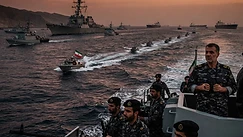
Tehran Outlines Formal Exclusion Zone Around Hormuz to Counter US Blockade
Iranian security officials have announced imminent plans to implement an operational maritime exclusion zone stretching from the U.S. naval blockade perimeter directly across the Strait of Hormuz.
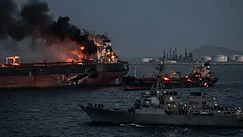
US Neutralizes IRGC Tankers off Kharg Island as Diplomatic Narrative Fractures
U.S. Central Command disabled three Iranian crude carriers over the weekend following IRGC missile launches against American warships, escalating the maritime conflict into its seventh month.
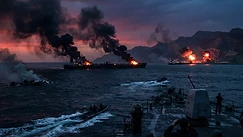
CENTCOM Destroys Iranian Tankers and Coastal Launch Sites as Tehran Claims Drone Intercepts
U.S. Central Command struck three Iranian oil tankers and pre-positioned coastal minelaying missile platforms, while Tehran claimed to strike an unmanned American naval vessel in contested Hormuz waters.