Red Sea Risks Intensify as Houthi Strikes Target Alternative Energy Routes
The conflict is spilling over into the Red Sea, where Houthi rebels have declared a naval blockade against Saudi tankers, threatening the primary bypass for Hormuz.
Your ad here — 728×90 banner space
With the Strait of Hormuz effectively impassable for most commercial traffic, the global energy industry has turned its attention to the Red Sea as a critical alternative. However, this route is now under direct threat from Yemen's Houthi rebels. According to Investing News, the Houthis recently claimed responsibility for strikes on two Saudi oil tankers in the Red Sea, declaring a naval blockade in solidarity with Iran. This development is particularly concerning for Saudi Arabia, which has been attempting to maximize throughput on its East-West crude oil pipeline. This pipeline, which has a capacity of approximately 7 million barrels per day (mmb/d), is designed to bypass the Strait of Hormuz by delivering oil directly to the Red Sea port of Yanbu. The Congressional Research Service notes that the interlinkage of the conflict in Yemen with the broader U.S.-Iran confrontation has complicated efforts to secure these alternative maritime corridors. In response to the Houthi escalation, President Trump has threatened 'major military punishment' and has moved additional American military assets into the region, including refueling aircraft and strategic bombers. The U.S. military is also monitoring the Bab el-Mandeb Strait, where traffic has remained steady but is increasingly vulnerable to drone and missile attacks. For global shipping companies, the 'spillover' of the Hormuz crisis into the Red Sea means there are no longer any truly safe routes for transporting Middle Eastern energy. Insurance premiums for Red Sea transits have begun to mirror the exorbitant rates seen in the Persian Gulf, further straining global supply chains. The strategic impasse now spans two of the world's most important maritime choke points, leaving the energy market in a state of high alert as military and diplomatic actors struggle to contain the expanding theater of conflict.
Related Intel
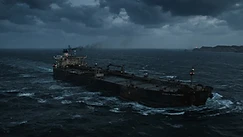
Strait Commodity Transits Plunge to Fresh Baselines Following Tit-for-Tat Tanker Strikes
Commercial traffic through the Strait of Hormuz has plummeted to an average of just 10 commodity vessels per day following mutual military attacks on commercial and state-linked tankers.
Strait Corridor Suppression Drags Commercial Transits Far Below Pre-War Baselines
Vessel transit figures through Hormuz remain deeply depressed, with tracking services recording single-digit crossings despite official claims of operational normalization.
Tehran Rejects Qatari Transit Initiatives as Regional Allied Navies Resist Unilateral Escort Commitments
Diplomatic sources confirm Iran has rebuffed Qatari mediation to ease Strait shipping controls, while key Asian allies push back on demands for independent naval deployments.