Red Sea Instability Persists as Houthi Drone Strikes Target Commercial Shipping
U.S. Central Command reports the destruction of four Houthi UAS systems as maritime risk premiums remain high for Suez-bound transit.

Your ad here — 728×90 banner space
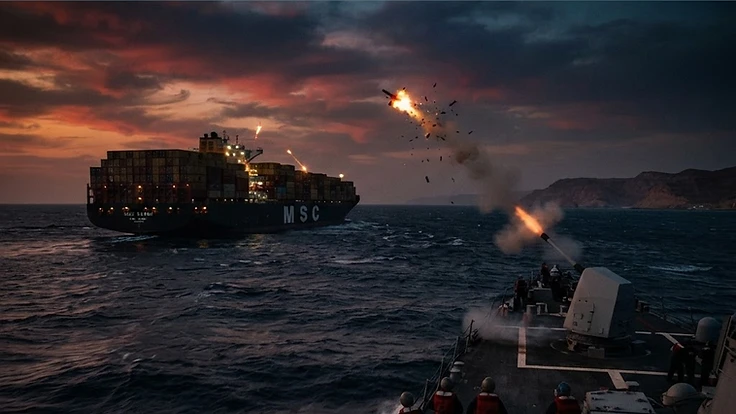
Hostilities in the Red Sea corridor have intensified over the last 24 hours as Houthi militants in Yemen launched a series of unmanned aerial systems (UAS) targeting international shipping lanes. U.S. Central Command (CENTCOM) confirmed that its forces successfully engaged and destroyed four UAS launched from Houthi-controlled areas, citing an 'imminent threat' to both U.S. naval vessels and commercial tankers. These latest engagements underscore the persistent failure of Operation Prosperity Guardian to fully deter the Iran-backed group, which claims its actions are a response to the ongoing conflict in Gaza. The impact on global logistics remains profound. Shipping data indicates that traffic through the Bab el-Mandeb strait is still down by approximately 50% compared to the same period last year. Major carriers like Maersk and Hapag-Lloyd continue to reroute the majority of their Asia-Europe voyages around the Cape of Good Hope, adding 10-14 days to transit times and significantly increasing bunker fuel consumption. This diversion has created a secondary bottleneck in Western Mediterranean ports and has kept war risk insurance premiums for the Red Sea at elevated levels—often exceeding 1% of the hull value for certain vessels. While the Strait of Hormuz has not seen a direct Houthi-style attack in recent days, the proximity of these events to the primary oil transit artery keeps the 'Hormuz Sentinel' tactical desk on high alert. The intelligence community is closely monitoring reports of increased Iranian intelligence ship activity in the Gulf of Aden, which may be providing targeting data to Houthi shore batteries. The U.S. Navy has maintained a persistent presence with the USS Dwight D. Eisenhower carrier strike group, but the asymmetric nature of the Houthi threat—utilizing low-cost drones against high-cost interceptor missiles—continues to challenge the long-term sustainability of current maritime protection strategies. The risk of a miscalculation leading to a broader US-Iran maritime engagement remains moderate to high.
Related Intel

Tehran Outlines Formal Exclusion Zone Around Hormuz to Counter US Blockade
Iranian security officials have announced imminent plans to implement an operational maritime exclusion zone stretching from the U.S. naval blockade perimeter directly across the Strait of Hormuz.

US Neutralizes IRGC Tankers off Kharg Island as Diplomatic Narrative Fractures
U.S. Central Command disabled three Iranian crude carriers over the weekend following IRGC missile launches against American warships, escalating the maritime conflict into its seventh month.

CENTCOM Destroys Iranian Tankers and Coastal Launch Sites as Tehran Claims Drone Intercepts
U.S. Central Command struck three Iranian oil tankers and pre-positioned coastal minelaying missile platforms, while Tehran claimed to strike an unmanned American naval vessel in contested Hormuz waters.