Global Supply Chain Alert: Port Congestion Escalates as Red Sea Diversions Become Permanent
Logistics providers warn of 'structural shifts' in global shipping as major carriers formalize Cape of Good Hope routes, leading to severe congestion in secondary hubs.
Your ad here — 728×90 banner space
As the conflict in the Red Sea enters its ninth month of significant disruption, global logistics giants including Maersk and Hapag-Lloyd are signaling that the diversion around the Cape of Good Hope is no longer a temporary workaround but a structural reality for the foreseeable future. This shift is creating a massive 'bullwhip effect' across global supply chains, characterized by extreme port congestion and a shortage of empty containers. Recent data from the Port of Singapore—the world’s largest transshipment hub—indicates that vessel wait times have increased to nearly five days in some instances, as ships arriving from the longer African route cluster together. The 'Hormuz Sentinel' logistics assessment shows that war-risk premiums for vessels still attempting the Suez Canal route have surged to between 0.7% and 1.0% of the hull's value, making the Cape route economically preferable despite the additional 10 to 14 days of travel time. For businesses and energy procurers, this has led to a 'just-in-case' inventory model, driving up warehousing costs and transit-related emissions. In the Mediterranean, ports like Algeciras and Tanger-Med are seeing record volumes as they become the new primary gateways for goods that used to transit directly through the Red Sea to Piraeus or Genoa. The preparedness implication for global markets is clear: inflation in the 'goods' sector, which had been cooling, faces renewed upward pressure from freight rates. The Shanghai Containerized Freight Index (SCFI) remains at elevated levels, nearly triple the rates seen in July 2023. Additionally, the strain on the tanker market is becoming evident. While crude oil still flows, the 'clean' product tankers carrying gasoline and diesel are seeing the most significant delays. Regional players in the Persian Gulf are increasingly looking at land-bridge alternatives, such as trucking routes through Saudi Arabia and Jordan, to bypass the Bab el-Mandeb entirely. However, these alternatives can only handle a fraction of the volume carried by a single Triple-E class container ship. The Sentinel Desk advises stakeholders to maintain 45-60 days of inventory buffer to mitigate the ongoing volatility in maritime lead times.
Related Intel

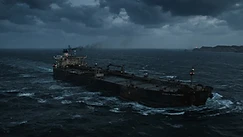
Strait Commodity Transits Plunge to Fresh Baselines Following Tit-for-Tat Tanker Strikes
Commercial traffic through the Strait of Hormuz has plummeted to an average of just 10 commodity vessels per day following mutual military attacks on commercial and state-linked tankers.
Strait Corridor Suppression Drags Commercial Transits Far Below Pre-War Baselines
Vessel transit figures through Hormuz remain deeply depressed, with tracking services recording single-digit crossings despite official claims of operational normalization.
Tehran Rejects Qatari Transit Initiatives as Regional Allied Navies Resist Unilateral Escort Commitments
Diplomatic sources confirm Iran has rebuffed Qatari mediation to ease Strait shipping controls, while key Asian allies push back on demands for independent naval deployments.