Pentagon Munitions Readiness Questioned Amid Sustained Middle East Operations
New reports suggest the U.S. military is facing potential shortages of precision-guided munitions following eleven consecutive nights of strikes against Iranian targets.
Your ad here — 728×90 banner space
As the U.S. military enters its second week of sustained aerial and naval operations against Iranian maritime infrastructure, questions are emerging regarding the sustainability of the Pentagon’s munitions stockpiles. NBC News reported on August 6 that senior defense officials are reviewing inventory levels for precision-guided munitions (PGMs) and interceptor missiles, which have been used at a high rate to counter Iranian drone swarms and to strike IRGC coastal batteries.
The U.S. has conducted eleven consecutive nights of strikes intended to degrade Iran's ability to threaten commercial shipping. While the Pentagon has officially dismissed concerns of dwindling stockpiles, internal assessments suggest that a prolonged conflict could strain the industrial base's ability to replenish high-end assets. This comes at a time when the U.S. is also maintaining significant deployments in other theaters, leading to what some analysts call a "strategic overstretch."
Secretary of State Marco Rubio stated that while Washington remains open to diplomacy, the lack of serious engagement from Tehran necessitates continued military pressure. However, the tactical effectiveness of these strikes is being debated. Despite the destruction of numerous Iranian launch sites, the IRGC has successfully maintained a "near-standstill" of traffic in the Strait of Hormuz. The U.S. Navy's efforts to escort tankers have been hampered by the sheer volume of the threat and the restrictive rules of engagement intended to prevent a full-scale regional war.
Defense analysts at CSIS have noted that the conflict is widening beyond the Strait, with Iranian-backed Houthi forces in Yemen threatening a parallel blockade at the Bab el-Mandeb. This dual-chokepoint threat forces the U.S. to divide its maritime security assets, further complicating the logistics of munitions resupply and fleet maintenance. The next 48 hours are considered critical as the U.S. weighs whether to escalate strikes to include command-and-control centers deep within Iranian territory or to pivot back toward the Omani-led diplomatic track.
Related Intel
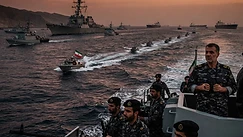
Tehran Outlines Formal Exclusion Zone Around Hormuz to Counter US Blockade
Iranian security officials have announced imminent plans to implement an operational maritime exclusion zone stretching from the U.S. naval blockade perimeter directly across the Strait of Hormuz.
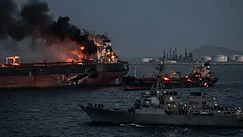
US Neutralizes IRGC Tankers off Kharg Island as Diplomatic Narrative Fractures
U.S. Central Command disabled three Iranian crude carriers over the weekend following IRGC missile launches against American warships, escalating the maritime conflict into its seventh month.
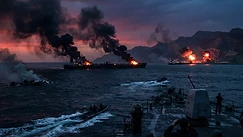
CENTCOM Destroys Iranian Tankers and Coastal Launch Sites as Tehran Claims Drone Intercepts
U.S. Central Command struck three Iranian oil tankers and pre-positioned coastal minelaying missile platforms, while Tehran claimed to strike an unmanned American naval vessel in contested Hormuz waters.