Operational Readiness: Tehran Finalizes Multi-Front Response Strategy
The Iranian leadership has signaled the conclusion of planning for a retaliatory strike against Israel, following high-level coordination with regional proxies and the Organization of Islamic Cooperation.

Your ad here — 728×90 banner space
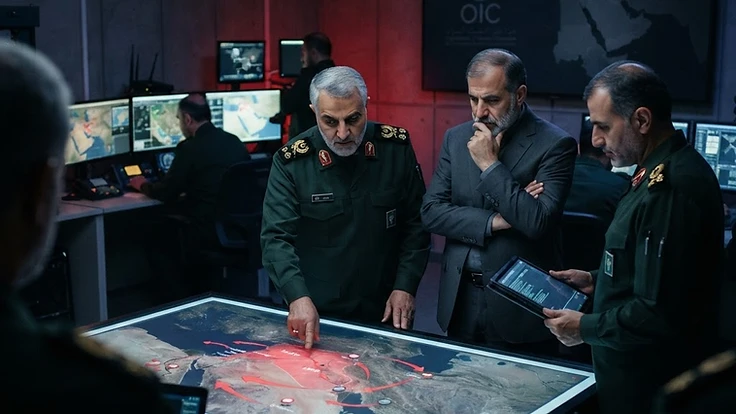
Tehran is currently navigating a complex strategic landscape following the assassination of Hamas political leader Ismail Haniyeh on its soil. Sources within the Islamic Revolutionary Guard Corps (IRGC) suggest that a multi-stage response is being finalized, aiming to restore Iranian deterrence without triggering an uncontrollable regional conflagration. Acting Foreign Minister Ali Bagheri Kani has communicated to international interlocutors, including during an emergency meeting of the Organization of Islamic Cooperation (OIC) in Jeddah, that a response is an inherent right and a necessity for regional stability. The OIC subsequently issued a statement holding Israel 'fully responsible' for the attack, providing Tehran with a degree of regional diplomatic cover for its anticipated actions. Intelligence reports indicate the movement of mobile missile launchers and UAV platforms to western provinces, specifically Kermanshah and West Azerbaijan. This mobilization coincides with reports that the IRGC has been coordinating with the 'Axis of Resistance'—including Hezbollah in Lebanon, the Houthis in Yemen, and various militias in Iraq—to ensure a synchronized response. The strategic dilemma for the new Pezeshkian administration lies in balancing the hardline demands of the military establishment with the need to prevent a total collapse of diplomatic channels that could lead to further economic isolation. Meanwhile, domestic security has been significantly tightened, with the Intelligence Ministry announcing the arrest of several individuals allegedly linked to the Mossad-led operation. Analysts at the International Crisis Group suggest that while the rhetoric is escalatory, the specific choice of targets will reveal whether Iran seeks a symbolic victory or a decisive shift in the regional security architecture. The involvement of the United States as a mediator remains limited, as Washington has publicly committed to defending Israel while privately urging Tehran to exercise restraint via Swiss and Omani channels. The next 48 to 72 hours are viewed by regional intelligence agencies as a critical window for potential kinetic activity. The IRGC's 'War Room' is reportedly operating on a 24-hour basis, and civil aviation authorities have issued various NOTAMs (Notices to Air Missions) over western Iran, suggesting air defense systems are on high alert. This posture is mirrored by the Israeli Defense Forces (IDF), which have called up additional reservists and enhanced their 'Iron Dome' and 'Arrow' missile defense batteries in anticipation of a complex, multi-vector assault involving both cruise missiles and swarming loitering munitions.
Related Intel

Tehran Outlines Formal Exclusion Zone Around Hormuz to Counter US Blockade
Iranian security officials have announced imminent plans to implement an operational maritime exclusion zone stretching from the U.S. naval blockade perimeter directly across the Strait of Hormuz.

US Neutralizes IRGC Tankers off Kharg Island as Diplomatic Narrative Fractures
U.S. Central Command disabled three Iranian crude carriers over the weekend following IRGC missile launches against American warships, escalating the maritime conflict into its seventh month.

CENTCOM Destroys Iranian Tankers and Coastal Launch Sites as Tehran Claims Drone Intercepts
U.S. Central Command struck three Iranian oil tankers and pre-positioned coastal minelaying missile platforms, while Tehran claimed to strike an unmanned American naval vessel in contested Hormuz waters.