Oman-Mediated Backchannels Face New Hurdles Following Iranian Leadership Transition
Indirect talks between Washington and Tehran in Muscat have reached a critical juncture as both sides assess the impact of the new Iranian interim government.
Your ad here — 728×90 banner space
Diplomatic efforts to de-escalate the multi-front conflict in the Middle East have hit a period of uncertainty following the deaths of Iran's top leaders. Prior to the helicopter crash, reports emerged of indirect talks in Oman involving U.S. Deputy Assistant to the President Brett McGurk and Iranian representatives. These discussions were aimed at establishing 'guardrails' to prevent a direct US-Iran war and addressing the nuclear impasse. However, the sudden loss of Foreign Minister Hossein Amir-Abdollahian, who was a key figure in these quiet diplomatic efforts, has slowed the momentum. Sources in Muscat indicate that while the channel remains open, the Iranian delegation is currently in a 'listening mode' as the interim government in Tehran focuses on internal stability and the upcoming June 28 elections. The U.S. State Department has reiterated its stance that its primary goals remain the release of detained citizens and the cessation of regional proxy attacks, particularly those affecting international trade. The challenge for the Biden administration is to maintain these lines of communication without appearing to interfere in the Iranian domestic political process. Market participants should prepare for a 'diplomatic lull' over the next four weeks. This period of quiet could be deceptive; without active de-escalation channels, the risk of tactical escalations in Lebanon or Yemen spiraling into a larger conflict increases. The 'Hormuz Sentinel' desk advises energy stakeholders to maintain hedging positions as the probability of a major diplomatic breakthrough—such as a renewed nuclear deal or a formal maritime security agreement—has dropped significantly in the short term. The transition period in Tehran will likely be characterized by a 'wait and see' approach from both Washington and regional capitals like Riyadh and Abu Dhabi.
Related Intel
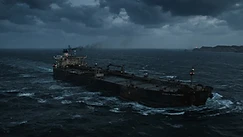
Strait Commodity Transits Plunge to Fresh Baselines Following Tit-for-Tat Tanker Strikes
Commercial traffic through the Strait of Hormuz has plummeted to an average of just 10 commodity vessels per day following mutual military attacks on commercial and state-linked tankers.
Strait Corridor Suppression Drags Commercial Transits Far Below Pre-War Baselines
Vessel transit figures through Hormuz remain deeply depressed, with tracking services recording single-digit crossings despite official claims of operational normalization.
Tehran Rejects Qatari Transit Initiatives as Regional Allied Navies Resist Unilateral Escort Commitments
Diplomatic sources confirm Iran has rebuffed Qatari mediation to ease Strait shipping controls, while key Asian allies push back on demands for independent naval deployments.