Nuclear Escalation: IAEA Report Confirms Expansion of Iran’s Weapons-Grade Uranium
A confidential IAEA report reveals that Iran's stockpile of uranium enriched to 60% has increased significantly, nearing the technical threshold for weapons-grade material.
Your ad here — 728×90 banner space
The International Atomic Energy Agency (IAEA) has circulated a confidential quarterly report to member states, detailing a concerning expansion of Iran's nuclear activities. According to the document, Iran's stockpile of uranium enriched to 60% purity—levels for which there is no credible civilian application—has grown by 20.6 kilograms since the February report, reaching a total of 142.1 kilograms. Nuclear experts note that if this material were further enriched, it would theoretically be sufficient to produce three nuclear warheads, based on the IAEA's 'significant quantity' metric. The report also highlights that Iran has not yet reversed its decision to bar several of the agency's most experienced inspectors, a move that Director General Rafael Grossi has called a 'serious blow' to the agency's ability to verify the peaceful nature of Tehran's program. In addition to the stockpile growth, the IAEA noted that Iran has installed new cascades of advanced centrifuges at its Fordow and Natanz enrichment facilities. These technical developments occur during a period of intense political transition in Tehran following the death of President Ebrahim Raisi. Western diplomats are reportedly weighing a resolution at the upcoming IAEA Board of Governors meeting to formally censure Iran for its lack of cooperation. Iran has consistently denied seeking a nuclear weapon, maintaining that its program is strictly for medical and energy purposes. However, the lack of transparency regarding past activities and the discovery of undeclared uranium particles at multiple sites continue to fuel international concern. The stalemate in Vienna remains a primary driver of regional tension, as Israel has repeatedly warned it will not allow Iran to reach nuclear breakout capability. The US State Department indicated that it remains committed to a diplomatic solution but emphasized that 'all options remain on the table' should Iran continue its current trajectory.
Related Intel
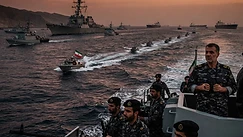
Tehran Outlines Formal Exclusion Zone Around Hormuz to Counter US Blockade
Iranian security officials have announced imminent plans to implement an operational maritime exclusion zone stretching from the U.S. naval blockade perimeter directly across the Strait of Hormuz.
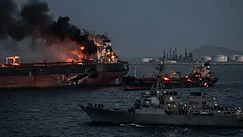
US Neutralizes IRGC Tankers off Kharg Island as Diplomatic Narrative Fractures
U.S. Central Command disabled three Iranian crude carriers over the weekend following IRGC missile launches against American warships, escalating the maritime conflict into its seventh month.
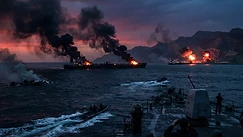
CENTCOM Destroys Iranian Tankers and Coastal Launch Sites as Tehran Claims Drone Intercepts
U.S. Central Command struck three Iranian oil tankers and pre-positioned coastal minelaying missile platforms, while Tehran claimed to strike an unmanned American naval vessel in contested Hormuz waters.