Negotiation Deadline Expires as Trump Rejects Iranian Reparation Demands
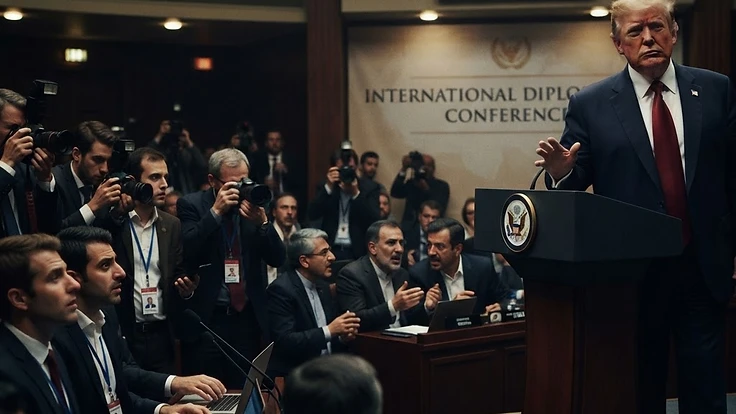
The 60-day window for a diplomatic resolution has closed without an agreement as President Trump dismisses Tehran's demands for war reparations.

Your ad here — 728×90 banner space
The 60-day deadline for broad end-of-war negotiations between the United States and the Islamic Republic of Iran has officially expired, leaving the two nations in a state of heightened military readiness. The expiration follows a series of failed diplomatic overtures mediated by regional partners, which collapsed after President Donald Trump publicly rejected Iranian demands for financial reparations. In a statement released via social media, President Trump scoffed at the notion of compensating Tehran for economic damages incurred during the conflict. 'I have instructed my representatives to put this firmly into any, and all, future negotiations,' Trump stated, signaling a hardening of the U.S. position. This diplomatic impasse comes as Iranian President Masoud Pezeshkian concluded a nearly seven-hour meeting with Supreme Leader Ayatollah Mojtaba Khamenei, who has reportedly called for 'unity and cohesion' as the country faces intensifying economic hardships and sanctions. On the ground, the conflict remains active; clashes were reported on Monday near the village of Taiz, involving Iran-linked forces. Iranian Parliament Speaker Mohammad Bagher Ghalibaf reinforced the regime's stance, declaring that the Strait of Hormuz will remain closed until the United States fulfills specific Iranian conditions, including the lifting of the naval blockade. The U.S. State Department has countered that the June memorandum of understanding required Iran to open the waterway, a claim Tehran disputes by citing its sovereign authority over the strait. As the ceasefire expires, the Pentagon has been ordered to adjust its regional posture, while the White House has welcomed the recent signing of the Mecca Joint Defence Agreement by Saudi Arabia, Turkey, and Pakistan, suggesting a shift toward a new regional security architecture that excludes Tehran. Analysts at the Hormuz Sentinel Desk note that the expiration of this deadline significantly increases the risk of a return to all-out kinetic warfare, as both sides have now exhausted the current framework for de-escalation.
Related Intel

Tehran Outlines Formal Exclusion Zone Around Hormuz to Counter US Blockade
Iranian security officials have announced imminent plans to implement an operational maritime exclusion zone stretching from the U.S. naval blockade perimeter directly across the Strait of Hormuz.

US Neutralizes IRGC Tankers off Kharg Island as Diplomatic Narrative Fractures
U.S. Central Command disabled three Iranian crude carriers over the weekend following IRGC missile launches against American warships, escalating the maritime conflict into its seventh month.

CENTCOM Destroys Iranian Tankers and Coastal Launch Sites as Tehran Claims Drone Intercepts
U.S. Central Command struck three Iranian oil tankers and pre-positioned coastal minelaying missile platforms, while Tehran claimed to strike an unmanned American naval vessel in contested Hormuz waters.