Maritime Security Alert: MV Tutor Sinks Following Houthi USV Attack
The sinking of the MV Tutor in the Red Sea marks a lethal escalation in Houthi maritime tactics, utilizing unmanned surface vessels to bypass traditional defenses.
Your ad here — 728×90 banner space
The maritime community is in a state of high alert following the confirmed sinking of the MV Tutor, a Greek-owned coal carrier that was targeted by Yemen’s Houthi rebels on June 12. The vessel was struck by an unmanned surface vessel (USV) in the engine room, causing severe flooding that salvage crews could not contain. This marks the second commercial vessel to be sunk by Houthi forces since the beginning of their campaign in November 2023, following the loss of the Rubymar in March. One crew member remains missing and is presumed dead, further heightening the human cost of the conflict.
The sinking of the MV Tutor is a tactical milestone for the Houthis, as it demonstrates the increasing effectiveness of their maritime drone technology. Unlike ballistic missiles or aerial drones, USVs strike at the waterline, causing structural damage that is significantly harder to mitigate for civilian crews. The UK Maritime Trade Operations (UKMTO) has also reported that another vessel, the MV Verbena, was abandoned by its crew after being hit by missiles that sparked a fire. These back-to-back incidents have shattered the relative lull in successful strikes that had been observed in early May.
For shipping companies, the implications are severe. Insurance premiums for vessels transiting the Bab el-Mandeb strait have surged, with some underwriters now demanding up to 1% of the vessel's value for a single passage. Major carriers, including Maersk and Hapag-Lloyd, continue to divert the majority of their fleets around the Cape of Good Hope. This diversion adds approximately 10 to 14 days to voyage times and increases fuel costs, which are beginning to manifest in higher container freight rates. Global supply chains for commodities like grain and coal are particularly vulnerable, as these bulk carriers are often slower and less protected than high-speed container ships.
U.S. Central Command (CENTCOM) has responded by conducting several 'self-defense strikes' against Houthi launch sites in Yemen, but the persistent nature of the attacks suggests that the degradation of Houthi capabilities is incomplete. The Sentinel’s intelligence desk notes that the Houthi leadership appears emboldened by the sinking of the Tutor, using it as propaganda to demonstrate their ability to challenge Western naval dominance. Shipping operators are advised to maintain 'dark' transits—disabling AIS transponders—and employ private maritime security teams, though the latter are largely ineffective against USV-borne explosives.
Related Intel
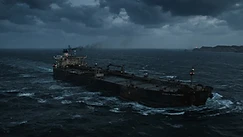
Strait of Hormuz Traffic Remains at Historic Lows Amid Security Risks
Maritime traffic through the Strait of Hormuz continues to languish at 90% below normal levels as shipowners avoid the region due to persistent security threats.
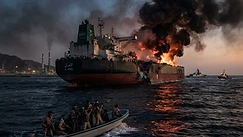
Houthi Forces Target Saudi Tanker Near Yanbu Amid Regional Spillover
Yemen's Houthi rebels claimed a successful strike on a Saudi oil tanker in the northern Red Sea, threatening alternative energy routes.
Shipping Traffic Remains Volatile Amidst Naval Blockade
Despite a 27% increase in traffic last week, shipping through the Strait of Hormuz remains highly restricted and subject to intense naval oversight.