Strait of Hormuz Traffic Remains at Historic Lows Amid Security Risks
Maritime traffic through the Strait of Hormuz continues to languish at 90% below normal levels as shipowners avoid the region due to persistent security threats.
Your ad here — 728×90 banner space
The strategic Strait of Hormuz remains effectively choked, with recent tracking data confirming that vessel movements are holding at approximately 90% below historical norms. Despite intermittent diplomatic signals, the maritime corridor—once the world's most vital energy artery—is seeing minimal commercial activity. Preliminary data from Tuesday showed only five commodity vessels transiting the area, a stark contrast to the 10-day average of 15 ships. This sustained decline reflects the profound impact of the U.S.-Iran conflict on global logistics. Shipowners and insurers continue to classify the region as a high-risk zone, with many opting for longer, more expensive routes to avoid potential interception or collateral damage from ongoing military posturing. The lack of traffic is not merely a result of sanctions but a direct consequence of the operational uncertainty that has defined the waterway since the escalation of hostilities in early 2026. Maritime intelligence firms report that the absence of a formal, guaranteed security corridor has forced the industry to adopt a 'wait-and-see' approach. While some vessels have transited under specific, pre-arranged conditions, the broader commercial shipping sector remains largely sidelined. As the U.S. and Iran continue to trade threats and sanctions, the logistical bottleneck in the Strait is expected to persist, keeping global supply chains under significant pressure. For businesses and energy importers, the current state of the Strait represents a 'new normal' of restricted access and heightened operational costs that shows little sign of immediate reversal.
Related Intel
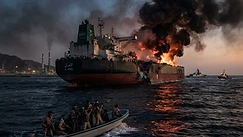
Houthi Forces Target Saudi Tanker Near Yanbu Amid Regional Spillover
Yemen's Houthi rebels claimed a successful strike on a Saudi oil tanker in the northern Red Sea, threatening alternative energy routes.
Shipping Traffic Remains Volatile Amidst Naval Blockade
Despite a 27% increase in traffic last week, shipping through the Strait of Hormuz remains highly restricted and subject to intense naval oversight.
Maritime Security Remains Fragile as Tankers Navigate 'Dark' Routes
Commercial shipping continues to face extreme risks in the Persian Gulf, with vessels increasingly operating in the dark to avoid detection and potential attack.