The Muscat Channel: Evaluating the Impact of Indirect US-Iran Proximity Talks
Recent indirect negotiations in Oman between US and Iranian officials signal a mutual desire to prevent the Gaza conflict from expanding into a direct regional war.
Your ad here — 728×90 banner space
In a strategic maneuver to de-escalate tensions that have reached a boiling point in the Middle East, senior U.S. and Iranian officials recently engaged in indirect talks in Oman. These discussions, colloquially known as the 'Muscat Channel,' represent the first significant diplomatic contact between the two adversaries since the April exchange of direct strikes. According to reports confirmed by regional diplomatic sources and the Biden administration, the U.S. delegation was led by White House Middle East coordinator Brett McGurk and Deputy Special Envoy for Iran Abram Paley. The Iranian side was represented by officials authorized to discuss regional stability and the nuclear file. The primary focus of the talks was the activities of the 'Axis of Resistance,' particularly the Houthi movement’s ongoing campaign against commercial shipping in the Red Sea and the Strait of Hormuz. Washington has reportedly sought assurances that Tehran will use its influence to curb these attacks, which have severely disrupted global trade and increased maritime insurance premiums. In return, Iranian negotiators have pushed for clarity on the easing of specific economic sanctions and a formal commitment from the U.S. to restrain Israeli operations that threaten Iranian interests in Syria and Lebanon. While the talks do not signify a formal return to the Joint Comprehensive Plan of Action (JCPOA), they highlight a pragmatic 'freeze-for-freeze' approach. The U.S. is prioritizing regional containment during a sensitive election year, while Iran seeks to manage its domestic economic crisis and ensure the stability of its interim government following the sudden death of President Ebrahim Raisi. Analysts at the Hormuz Sentinel Desk suggest that these talks serve as a 'safety valve.' By maintaining a line of communication through Omani mediators, both sides can communicate red lines and avoid the miscalculations that nearly led to a full-scale conflict in April. However, the durability of this diplomatic channel remains in question. Hardliners within the Islamic Revolutionary Guard Corps (IRGC) remain skeptical of U.S. intentions, especially as the U.S. continues to provide military support for Israeli operations in Rafah. Furthermore, the IAEA's recent reports regarding Iran's uranium enrichment levels continue to provide a floor of tension that diplomacy has yet to penetrate. For now, the 'Muscat Channel' remains a vital, albeit fragile, instrument for preventing a catastrophic escalation in the world's most critical energy transit corridor.
Related Intel
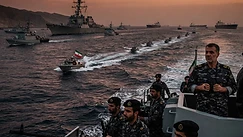
Tehran Outlines Formal Exclusion Zone Around Hormuz to Counter US Blockade
Iranian security officials have announced imminent plans to implement an operational maritime exclusion zone stretching from the U.S. naval blockade perimeter directly across the Strait of Hormuz.
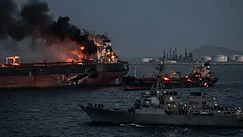
US Neutralizes IRGC Tankers off Kharg Island as Diplomatic Narrative Fractures
U.S. Central Command disabled three Iranian crude carriers over the weekend following IRGC missile launches against American warships, escalating the maritime conflict into its seventh month.
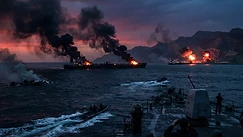
CENTCOM Destroys Iranian Tankers and Coastal Launch Sites as Tehran Claims Drone Intercepts
U.S. Central Command struck three Iranian oil tankers and pre-positioned coastal minelaying missile platforms, while Tehran claimed to strike an unmanned American naval vessel in contested Hormuz waters.