Merchant Seafarers Remain Trapped Amidst Regional Conflict
Commercial crews continue to face dire conditions as ships remain anchored off the Iranian coast, caught in the crossfire of the ongoing maritime standoff.
Your ad here — 728×90 banner space
The human cost of the U.S.-Iran conflict continues to mount, with dozens of merchant seafarers entering their fourth month of confinement on commercial vessels anchored just miles off the Iranian coast. These crews, often forgotten in the high-level geopolitical maneuvering, are effectively trapped in a maritime no-man's-land, unable to complete their voyages or return home safely. The situation highlights the severe operational risks that have paralyzed shipping in the Persian Gulf since the escalation of hostilities in late February. Maritime labor organizations have expressed growing concern over the welfare of these sailors, citing limited access to supplies and the psychological toll of being caught in a conflict zone. Despite the ongoing diplomatic efforts to reopen the Strait of Hormuz, there has been little progress in securing the release or safe passage of these vessels. The 'dark' mode of operation, where ships switch off transponders to avoid detection, has further complicated efforts to track and assist these crews. For the shipping industry, the plight of these seafarers serves as a stark reminder of the volatility of the region. Insurance premiums for vessels operating in the area remain at historic highs, reflecting the extreme risk of detention or attack. As the standoff persists, the maritime community is calling for greater international intervention to ensure the safety of civilian crews who are not parties to the conflict but are nonetheless bearing the brunt of the disruption. The lack of a clear resolution to the maritime crisis suggests that these seafarers may remain in limbo for the foreseeable future, further complicating the logistics of global trade.
Related Intel
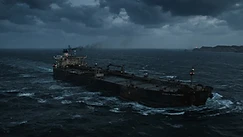
Strait Commodity Transits Plunge to Fresh Baselines Following Tit-for-Tat Tanker Strikes
Commercial traffic through the Strait of Hormuz has plummeted to an average of just 10 commodity vessels per day following mutual military attacks on commercial and state-linked tankers.
Strait Corridor Suppression Drags Commercial Transits Far Below Pre-War Baselines
Vessel transit figures through Hormuz remain deeply depressed, with tracking services recording single-digit crossings despite official claims of operational normalization.
Tehran Rejects Qatari Transit Initiatives as Regional Allied Navies Resist Unilateral Escort Commitments
Diplomatic sources confirm Iran has rebuffed Qatari mediation to ease Strait shipping controls, while key Asian allies push back on demands for independent naval deployments.