Maritime Security Risks Escalate as Tankers Go Dark
An increasing number of vessels are disabling their location tracking devices while navigating the Strait of Hormuz to evade potential Iranian interference.
Your ad here — 728×90 banner space
The security situation in the Strait of Hormuz has prompted a rise in 'dark' shipping, where vessels transit the waterway with their Automatic Identification System (AIS) transponders turned off. This tactic, intended to evade detection by Iranian forces, significantly increases the risk of maritime collisions and environmental disasters, such as oil spills. The U.S. Navy has been actively shepherding some tankers through the region, but the sheer volume of traffic and the unpredictable nature of the conflict make comprehensive protection impossible. Maritime insurers have responded by raising premiums to record levels, further complicating the economics of energy transport. The decision by vessel operators to go dark highlights the extreme measures being taken to maintain supply chains in a high-threat environment. Intelligence reports suggest that as long as the U.S.-Iran standoff continues, the risk of accidental engagement or deliberate targeting of commercial vessels will remain high. Shipping companies are advised to maintain heightened vigilance and coordinate closely with naval escorts where available, though the overall risk profile for the region remains critical.
Related Intel
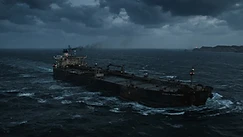
Strait of Hormuz Traffic Remains at Historic Lows Amid Security Risks
Maritime traffic through the Strait of Hormuz continues to languish at 90% below normal levels as shipowners avoid the region due to persistent security threats.
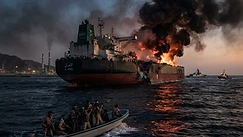
Houthi Forces Target Saudi Tanker Near Yanbu Amid Regional Spillover
Yemen's Houthi rebels claimed a successful strike on a Saudi oil tanker in the northern Red Sea, threatening alternative energy routes.
Shipping Traffic Remains Volatile Amidst Naval Blockade
Despite a 27% increase in traffic last week, shipping through the Strait of Hormuz remains highly restricted and subject to intense naval oversight.