Maritime Security Risk Elevated to Severe Following Tanker Strikes
Shipping intelligence firms have raised the risk level for the Omani corridor to 'severe' after multiple tankers were struck by projectiles.
Your ad here — 728×90 banner space
The maritime security environment in the Strait of Hormuz has deteriorated significantly following a series of attacks on commercial tankers. Shipping intelligence firm Marisks reported that near-simultaneous incidents involving unknown projectiles have created a high-threat environment for vessels transiting the Omani corridor. Data from ship-tracking services indicates that transit volumes have dropped sharply, with some days seeing only a fraction of the pre-conflict daily average of 125 sailings. The combination of U.S. naval blockades and Iranian retaliatory strikes has effectively turned the strait into a contested zone. Insurance premiums for vessels operating in the region have spiked, and many commercial operators are now requiring military escort or diverting entirely. The situation remains fluid, with maritime security organizations warning that the risk of collateral damage to non-military vessels is at its highest point since the conflict began in February. Operators are advised to maintain maximum vigilance and monitor real-time AIS data for signs of irregular activity.
Related Intel
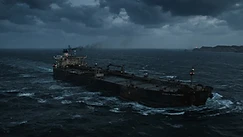
Strait Commodity Transits Plunge to Fresh Baselines Following Tit-for-Tat Tanker Strikes
Commercial traffic through the Strait of Hormuz has plummeted to an average of just 10 commodity vessels per day following mutual military attacks on commercial and state-linked tankers.
Strait Corridor Suppression Drags Commercial Transits Far Below Pre-War Baselines
Vessel transit figures through Hormuz remain deeply depressed, with tracking services recording single-digit crossings despite official claims of operational normalization.
Tehran Rejects Qatari Transit Initiatives as Regional Allied Navies Resist Unilateral Escort Commitments
Diplomatic sources confirm Iran has rebuffed Qatari mediation to ease Strait shipping controls, while key Asian allies push back on demands for independent naval deployments.