Maritime Security Outlook Remains Fragile as Attacks Persist
Despite diplomatic efforts, the maritime security environment in the Persian Gulf remains severe, with recent reports of projectile attacks on commercial tankers.
Your ad here — 728×90 banner space
The maritime security situation in the Persian Gulf and the Strait of Hormuz remains critical, characterized by persistent threats to commercial shipping. Even as diplomatic channels remain open, the reality on the water is one of extreme caution. Recent reports confirm that at least one tanker was struck by an unidentified projectile in the region, serving as a stark reminder that the risk of kinetic engagement has not subsided. This incident, occurring amidst ongoing mediation, highlights the disconnect between diplomatic rhetoric and the operational reality faced by mariners. Shipping companies continue to implement stringent security protocols, with many vessels opting to bypass the region entirely or transit with transponders disabled to minimize their profile. The Joint Maritime Information Center (JMIC) continues to monitor the situation, but the lack of a unified security framework means that vessels are largely left to navigate the risks independently. For stakeholders in the global energy supply chain, the current environment necessitates a high degree of preparedness for sudden disruptions. The combination of military posturing, the threat of further attacks, and the uncertainty surrounding the status of the Strait of Hormuz ensures that the region will remain a primary focus for global security analysts for the foreseeable future.
Related Intel
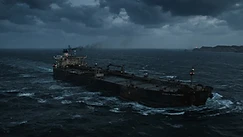
Strait Commodity Transits Plunge to Fresh Baselines Following Tit-for-Tat Tanker Strikes
Commercial traffic through the Strait of Hormuz has plummeted to an average of just 10 commodity vessels per day following mutual military attacks on commercial and state-linked tankers.
Strait Corridor Suppression Drags Commercial Transits Far Below Pre-War Baselines
Vessel transit figures through Hormuz remain deeply depressed, with tracking services recording single-digit crossings despite official claims of operational normalization.
Tehran Rejects Qatari Transit Initiatives as Regional Allied Navies Resist Unilateral Escort Commitments
Diplomatic sources confirm Iran has rebuffed Qatari mediation to ease Strait shipping controls, while key Asian allies push back on demands for independent naval deployments.