Maritime Security Alert Remains at Severe Level
The Joint War Committee continues to monitor the Gulf as vessel attacks persist and transit remains hazardous for commercial shipping.
Your ad here — 728×90 banner space
The maritime security environment in the Arabian Sea and the Gulf remains at a severe alert level as the conflict between the U.S. and Iran continues to manifest in the maritime domain. Recent reports, including unverified accounts of three vessel attacks within a 72-hour window, underscore the persistent danger to commercial shipping. The Joint War Committee of the London insurance market maintains the region on its list of high-risk maritime areas, which continues to drive up insurance premiums and charter costs for any vessels attempting to operate in the vicinity. The current situation is characterized by a high density of 'AIS-dark' tankers—vessels that have ceased broadcasting their positions—which complicates monitoring efforts and increases the risk of accidental engagement. As of August 16, 2026, there are 244 vessels flagged in the Gulf with high or moderate risk markers, out of a total of 2,424 tracked ships. This high volume of at-risk traffic reflects the ongoing difficulty of navigating the region safely. The International Maritime Organization (IMO) has previously expressed concern over the safety of shipping lanes, and the current lack of a formal security framework for the Strait of Hormuz leaves commercial operators in a precarious position. Preparedness measures, including the use of alternative ports like Duqm and Salalah in Oman, are being utilized, but these facilities are also subject to the broader regional security risks. Shipping companies are advised to maintain the highest level of vigilance and to adhere to the latest guidance from maritime security authorities. The combination of physical threats and the lack of clear transit protocols ensures that the region will remain a high-risk zone for the foreseeable future.
Related Intel
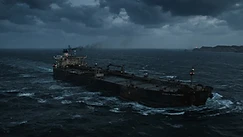
Strait Commodity Transits Plunge to Fresh Baselines Following Tit-for-Tat Tanker Strikes
Commercial traffic through the Strait of Hormuz has plummeted to an average of just 10 commodity vessels per day following mutual military attacks on commercial and state-linked tankers.
Strait Corridor Suppression Drags Commercial Transits Far Below Pre-War Baselines
Vessel transit figures through Hormuz remain deeply depressed, with tracking services recording single-digit crossings despite official claims of operational normalization.
Tehran Rejects Qatari Transit Initiatives as Regional Allied Navies Resist Unilateral Escort Commitments
Diplomatic sources confirm Iran has rebuffed Qatari mediation to ease Strait shipping controls, while key Asian allies push back on demands for independent naval deployments.