Maritime Security Agencies Maintain High Alert Amidst Regional Friction
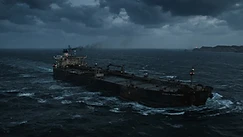
Maritime security agencies are maintaining a high-alert status as regional tensions continue to manifest in attacks on shipping near the Red Sea and Gulf of Oman.
Your ad here — 728×90 banner space
Maritime security agencies are maintaining a high-alert status as regional tensions continue to manifest in attacks on shipping near the Red Sea and Gulf of Oman. Recent reports indicate that both U.S. forces and Iran-aligned Houthi rebels have been involved in incidents that threaten the safety of commercial vessels. These developments have prompted shipping companies to exercise extreme caution, with many opting to avoid the region entirely or implement stringent security protocols. The situation is further complicated by the ongoing closure of the Strait of Hormuz, which has forced a massive rerouting of global trade. Insurance premiums for vessels operating in the region have surged, reflecting the heightened risk of kinetic action. Agencies are advising crews to remain vigilant and to report any suspicious activity immediately. The U.S. military has continued to patrol the area, but the sheer scale of the maritime domain makes it difficult to guarantee the safety of every vessel. The persistence of these threats underscores the fragility of the current security environment. As the conflict continues, the focus for maritime operators is on risk mitigation and the identification of alternative routes that can bypass the most dangerous zones. The lack of a diplomatic breakthrough means that these security challenges are likely to persist for the foreseeable future, requiring a sustained and coordinated response from international maritime authorities.
Related Intel
Strait Commodity Transits Plunge to Fresh Baselines Following Tit-for-Tat Tanker Strikes
Commercial traffic through the Strait of Hormuz has plummeted to an average of just 10 commodity vessels per day following mutual military attacks on commercial and state-linked tankers.
Strait Corridor Suppression Drags Commercial Transits Far Below Pre-War Baselines
Vessel transit figures through Hormuz remain deeply depressed, with tracking services recording single-digit crossings despite official claims of operational normalization.
Tehran Rejects Qatari Transit Initiatives as Regional Allied Navies Resist Unilateral Escort Commitments
Diplomatic sources confirm Iran has rebuffed Qatari mediation to ease Strait shipping controls, while key Asian allies push back on demands for independent naval deployments.