Maritime Preparedness: Navigating the High-Risk Waters of the Arabian Sea
As the Strait of Hormuz remains effectively closed, shipping companies are forced to adopt extreme measures to ensure the safety of their crews and cargo.
Your ad here — 728×90 banner space
The ongoing crisis in the Strait of Hormuz has fundamentally altered the operational reality for global shipping companies. With the waterway effectively closed to standard commercial traffic, maritime operators are navigating a landscape defined by high insurance costs, the threat of drone strikes, and the necessity of bypassing traditional routes. The Joint War Committee of the London insurance market has expanded its list of high-risk areas to include waters around Oman, forcing vessels to take longer, more expensive paths to reach their destinations. For many, this means relying on ports like Fujairah in the UAE or Duqm in Oman, which have become critical hubs for tankers attempting to avoid the chokepoint. However, even these locations are not immune to the conflict, as evidenced by recent strikes on fuel storage facilities. Shipping companies are now implementing rigorous security protocols, including the use of armed security details and the practice of switching off AIS transponders to avoid detection by hostile forces. These measures, while necessary for survival, have created a 'shadow fleet' dynamic that complicates maritime domain awareness for international naval forces. The U.S. Navy has increased its escort operations, but the sheer volume of traffic and the unpredictable nature of Iranian asymmetric tactics make it impossible to guarantee the safety of every vessel. For logistics managers, the priority has shifted from efficiency to risk mitigation. Companies are increasingly diversifying their supply chains, moving away from a reliance on single-route transit and investing in regional storage capacity to buffer against sudden disruptions. As the standoff continues, the maritime industry must prepare for a prolonged period of instability. The ability to adapt to these high-risk conditions will be the defining factor for companies operating in the Middle East, as the traditional norms of freedom of navigation remain suspended in the face of ongoing geopolitical hostilities.
Related Intel
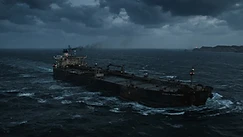
Strait Commodity Transits Plunge to Fresh Baselines Following Tit-for-Tat Tanker Strikes
Commercial traffic through the Strait of Hormuz has plummeted to an average of just 10 commodity vessels per day following mutual military attacks on commercial and state-linked tankers.
Strait Corridor Suppression Drags Commercial Transits Far Below Pre-War Baselines
Vessel transit figures through Hormuz remain deeply depressed, with tracking services recording single-digit crossings despite official claims of operational normalization.
Tehran Rejects Qatari Transit Initiatives as Regional Allied Navies Resist Unilateral Escort Commitments
Diplomatic sources confirm Iran has rebuffed Qatari mediation to ease Strait shipping controls, while key Asian allies push back on demands for independent naval deployments.