Maritime Labor Crisis: Indian Seafarers Bear the Brunt of Hormuz Standoff
With over 6,000 sailors trapped in the Persian Gulf, the human cost of the US-Iran maritime war is reaching a breaking point for international crews.
Your ad here — 728×90 banner space
While the geopolitical focus remains on oil prices and military strikes, a humanitarian crisis is unfolding aboard the hundreds of commercial vessels anchored in and around the Persian Gulf. According to reports from the Times of India and maritime monitoring groups, Indian seafarers are disproportionately affected by the ongoing blockade of the Strait of Hormuz. India, which relies on the strait for 60% of its crude oil supplies, also provides a significant portion of the global maritime workforce currently caught in the crossfire.
An estimated 6,000 seafarers are currently trapped on vessels that are either unable to exit the Gulf or are being held pending security clearances that never arrive. Conditions on these ships are deteriorating, with supplies of fresh water and food running low on vessels that have been stationary for weeks. The recent loss of life among Indian sailors during missile attacks on commercial tankers has sparked protests in Mumbai and calls for the Indian government to take a more active role in negotiating safe passage corridors.
The logistical challenge of evacuating these crews is immense. Many vessels are carrying volatile cargo, and abandoning them would create significant environmental and navigational hazards. Furthermore, the high war-risk premiums mean that shipowners are reluctant to authorize deviations to safer ports, leaving crews in a state of perpetual limbo. The UK Maritime Trade Operations (UKMTO) has reported multiple incidents where crews were forced to abandon ship following kinetic strikes, often with little support from regional coast guards.
International labor organizations are urging both the U.S. and Iran to establish "blue corridors" for the safe exit of merchant sailors. However, as Tehran moves to formalize its control over the strait through new draft decrees, the prospect of a neutral humanitarian exit seems increasingly remote. For the families of the trapped sailors, the conflict is not a matter of energy economics, but a daily struggle for survival in one of the world's most dangerous maritime zones.
Related Intel

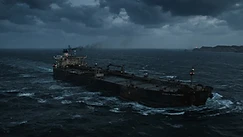
Strait Commodity Transits Plunge to Fresh Baselines Following Tit-for-Tat Tanker Strikes
Commercial traffic through the Strait of Hormuz has plummeted to an average of just 10 commodity vessels per day following mutual military attacks on commercial and state-linked tankers.
Strait Corridor Suppression Drags Commercial Transits Far Below Pre-War Baselines
Vessel transit figures through Hormuz remain deeply depressed, with tracking services recording single-digit crossings despite official claims of operational normalization.
Tehran Rejects Qatari Transit Initiatives as Regional Allied Navies Resist Unilateral Escort Commitments
Diplomatic sources confirm Iran has rebuffed Qatari mediation to ease Strait shipping controls, while key Asian allies push back on demands for independent naval deployments.