Maritime Deterrence: US Forces Neutralize Houthi Missile Systems Following Red Sea Escalation
U.S. Central Command confirmed the destruction of several Houthi uncrewed surface vessels and anti-ship cruise missiles in Yemen as the rebel group intensifies its maritime campaign.
Your ad here — 728×90 banner space
U.S. Central Command (CENTCOM) forces successfully destroyed one Houthi uncrewed surface vessel (USV) and two anti-ship cruise missiles (ASCM) in Houthi-controlled areas of Yemen over the last 24 hours. The operation was part of an ongoing proactive defense strategy to safeguard commercial shipping and U.S. Navy vessels operating in the Red Sea and the Gulf of Aden. According to the CENTCOM statement, these systems presented a 'clear and imminent threat' to regional stability. The Houthi rebels, who are backed by Iran, have significantly ramped up their rhetoric following the deaths of Hezbollah and Hamas leaders last week. Houthi leader Abdul-Malik al-Houthi declared that their 'response is coming' and will be part of a coordinated effort by the 'Axis of Resistance.' This has led to renewed concerns for the safety of merchant vessels. Currently, several major shipping lines that had considered returning to the Suez Canal route have indefinitely extended their diversions around the Cape of Good Hope. Insurance premiums for transiting the Bab al-Mandab remain at record highs, effectively functioning as a tax on global trade. On the tactical level, the U.S. Navy is employing advanced electronic warfare and kinetic interceptions to counter the Houthi drone swarms. The presence of the USS Laboon and other Arleigh Burke-class destroyers has been pivotal in maintaining a defensive screen. Maritime security experts warn that the Houthis may attempt to deploy 'swarm' tactics, using dozens of low-cost drones to overwhelm the Aegis Combat System. This constant state of alert is putting a strain on naval personnel and munitions stocks. For shipping operators, the advice remains to maintain 'dark' AIS (Automatic Identification System) status and utilize private maritime security teams when transiting high-risk areas. The coalition forces under 'Operation Prosperity Guardian' continue to patrol, but the threat remains persistent as long as the political drivers of the conflict—the Gaza war and the Iran-Israel rivalry—remain unresolved. The Strait of Hormuz, while currently stable, is being monitored with heightened intensity for any signs of Iranian interference in shipping as a form of non-kinetic retaliation.
Related Intel
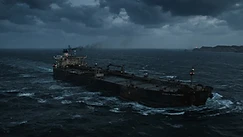
Strait Commodity Transits Plunge to Fresh Baselines Following Tit-for-Tat Tanker Strikes
Commercial traffic through the Strait of Hormuz has plummeted to an average of just 10 commodity vessels per day following mutual military attacks on commercial and state-linked tankers.
Strait Corridor Suppression Drags Commercial Transits Far Below Pre-War Baselines
Vessel transit figures through Hormuz remain deeply depressed, with tracking services recording single-digit crossings despite official claims of operational normalization.
Tehran Rejects Qatari Transit Initiatives as Regional Allied Navies Resist Unilateral Escort Commitments
Diplomatic sources confirm Iran has rebuffed Qatari mediation to ease Strait shipping controls, while key Asian allies push back on demands for independent naval deployments.