Kinetic Escalation: US Strikes on Larak Island Signal Shift in Maritime Enforcement Strategy
Recent U.S. missile strikes on Iranian positions on Larak Island mark a significant escalation in the effort to secure the Strait of Hormuz.
Your ad here — 728×90 banner space
The military dimension of the US-Iran conflict has entered a more aggressive phase following a series of U.S. missile strikes on Larak Island, a strategic Iranian outpost in the Strait of Hormuz. These strikes, which occurred in late July and have been followed by continued surveillance operations, represent a shift in the U.S. strategy from passive containment to active degradation of Iranian maritime capabilities. The decision to target Larak Island came after the U.S. accused Iran of launching drone and missile attacks against commercial vessels, effectively ending the fragile ceasefire that had been in place since April. President Trump characterized the strikes as a necessary response to 'major military provocation' by Iran and its regional proxies, including the Houthis. The impact on shipping has been immediate. Lloyd's List Intelligence reported that transits through the Strait's southern route effectively stopped following the strikes, with only a handful of vessels attempting the passage in 'dark mode.' While June saw a brief recovery in traffic—with 576 transits recorded—the current volume has plummeted back toward the lows seen in May. The U.S. Central Command (CENTCOM) has maintained that its operations are designed to ensure the 'freedom of navigation,' but the Iranian Revolutionary Guard Corps (IRGC) has viewed these actions as an act of war. The IRGC has since increased its presence in the waterway, conducting 'inspections' of vessels it deems suspicious. This kinetic environment has made insurance for transiting the Strait nearly impossible to obtain for many commercial operators, further choking the flow of goods. Military analysts at CSIS warn that the conflict is now 'trapped between war and diplomacy,' where every pause in fighting feels temporary and every strike risks a wider regional crisis that could involve Gulf infrastructure beyond the Strait itself. As both sides reinforce their positions, the risk of a miscalculation leading to a broader naval engagement remains at its highest level since the start of the year.
Related Intel

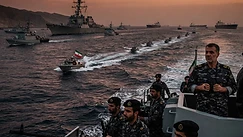
Tehran Outlines Formal Exclusion Zone Around Hormuz to Counter US Blockade
Iranian security officials have announced imminent plans to implement an operational maritime exclusion zone stretching from the U.S. naval blockade perimeter directly across the Strait of Hormuz.

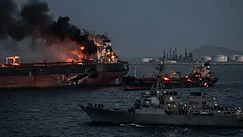
US Neutralizes IRGC Tankers off Kharg Island as Diplomatic Narrative Fractures
U.S. Central Command disabled three Iranian crude carriers over the weekend following IRGC missile launches against American warships, escalating the maritime conflict into its seventh month.

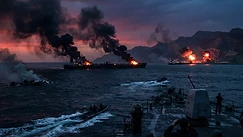
CENTCOM Destroys Iranian Tankers and Coastal Launch Sites as Tehran Claims Drone Intercepts
U.S. Central Command struck three Iranian oil tankers and pre-positioned coastal minelaying missile platforms, while Tehran claimed to strike an unmanned American naval vessel in contested Hormuz waters.