IRGC Seizes Diesel Tanker in Northern Gulf Amid Heightened Maritime Surveillance
Iranian authorities have seized a vessel carrying 382,000 liters of diesel, arresting 11 foreign crew members in a move that intensifies regional shipping risks.
Your ad here — 728×90 banner space
The Islamic Revolutionary Guard Corps (IRGC) has intensified its crackdown on maritime activity in the Persian Gulf, reporting the seizure of a foreign vessel allegedly involved in fuel smuggling. As reported by News 18, the vessel was carrying 382,000 liters of diesel in the northern Gulf when it was intercepted by Iranian naval units. Eleven foreign crew members were arrested during the operation, which Tehran claims is part of a broader effort to combat the illegal transport of subsidized domestic fuel to neighboring countries.
While Iran frames these seizures as law enforcement actions against smuggling, international observers view them as a tactical response to the U.S. blockade of Iranian ports. The timing of the seizure is particularly sensitive, occurring just hours after U.S. strikes on Iranian military infrastructure. This incident follows a pattern of 'tit-for-tat' escalations that have plagued the region since the war began in February. The IRGC's ability to conduct surprise raids, even while under surveillance by U.S. and allied forces, underscores the persistent threat to commercial shipping in the region.
For shipping companies, the seizure serves as a stark reminder that the risks extend beyond the immediate vicinity of the Strait of Hormuz. The northern Gulf, previously considered relatively safer than the narrow chokepoint, is now seeing increased IRGC activity. Security firms are advising vessel operators to maintain high alert levels and utilize military escorts whenever possible. The arrest of foreign crew members also adds a diplomatic layer to the conflict, as multiple nations are now forced to negotiate for the release of their citizens held by Tehran. As the conflict drags into its seventh month, the cumulative impact of these seizures is contributing to a significant slump in overall shipping volumes, with some days seeing as few as five ships transiting the entire waterway.
Related Intel

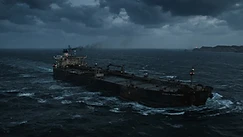
Strait Commodity Transits Plunge to Fresh Baselines Following Tit-for-Tat Tanker Strikes
Commercial traffic through the Strait of Hormuz has plummeted to an average of just 10 commodity vessels per day following mutual military attacks on commercial and state-linked tankers.
Strait Corridor Suppression Drags Commercial Transits Far Below Pre-War Baselines
Vessel transit figures through Hormuz remain deeply depressed, with tracking services recording single-digit crossings despite official claims of operational normalization.
Tehran Rejects Qatari Transit Initiatives as Regional Allied Navies Resist Unilateral Escort Commitments
Diplomatic sources confirm Iran has rebuffed Qatari mediation to ease Strait shipping controls, while key Asian allies push back on demands for independent naval deployments.